London: Fast and Furious 2025

Only a week after Nataliya’s son returned from a school-sponsored whirlwind tour of Europe, Natalia and I set off on our own blitz from London to Paris in July.

Thursday, July 10

After a smooth overnight flight, we made a quick stop to drop off our luggage at our Airbnb rental near Regent’s Park before dashing off to Shakespear’s Globe Theatre. However, we took an Uber ride instead of trying to navigate the Tube, which turned out to be a big mistake! It took more than 60 minutes to cover about 4 miles even though it was the middle of the afternoon.

The ushers at the Globe Theatre graciously allowed us to take our seats for a Wild West version of Romeo and Juliet (complete with cowboy hats and revolvers) even though we were more than 30 minutes late! The original Globe Theatre burned down in 1613 but was rebuilt in 1997 on the original foundation. Our seats were in the very corner of the theater, and several pillars obstructed our view. I definitely recommend paying extra to rent a cushion since the seats are bare wooden benches.

Arriving in the middle of the performance, I was somewhat disoriented since it took me a few minutes to adjust to the iambic pentameter. We also couldn’t see or hear very well, but we were thrilled to be in the magnificent Globe Theatre! It was also extremely hot, although we were lucky enough to avoid the “heat dome” that had plagued London only a few days before we arrived! I pitied the patrons who were stuck in the standing room only general admission section in the middle of the theater – at least we got to sit down on our rented cushions!

Due to the heat, and our poor choice of seats, we decided to duck our early as well and eat an early dinner at the adjacent Swan restaurant. We both had chicken Caesar salads and shared a hummus platter. I was pleasantly surprised to find a non-alcoholic beer on the menu, a light and refreshing Helles lager from a Scottish brewery.

This was our first trip to London, and one of Nataliya’s top destinations, the Borough Market, was only a 10-minute walk away. After dinner, we dashed off to the market and arrived a few minutes before closing (5pm). The market traces its history as far back as the year 1276 and features dozens of vendors, including several bakeries. Nataliya made a beeline for Bread Ahead bakery which has a strong social media presence that highlights their filled doughnuts. Nataliya picked the crème bruleè variant and I went with a traditional raspberry jam filling – they were both delicious, although large enough to share! However, we returned again at a later date and discovered the real secret – at the end of the day, another bakery, Comptoir, offered steep discounts on pastries (3 for 10 Euro), while the hyper popular Bread Ahead did not!

After dessert, we walked off some of our calories by crossing the River Thames and past St. Paul’s Cathedral. Completed in 1710, the Cathedral has hosted many royal festivities including the wedding of Prince Charles and Lady Diana in 1981 and Queen Elizabeth II’s golden and diamond jubilees. Not being rushed, we completed our return journey on the Tube which was fairly easy to navigate and very affordable!

There are numerous attractions along the River Thames, and the replica of the Golden Hinde is one that I would like to see on our next visit. The Golden Hinde is a replica of the galleon Sir Frances Drake used to circumnavigate the globe in the 16th century. Built in 1973, the replica is seaworthy and sailed all the way to Japan to film a TV miniseries.

Unfortunately, the nights were still very hot, and our apartment did not have American-style air conditioning, only a couple of portable water-cooled fans. It took us a few days to figure out how exactly they worked, which added to our discomfort.

Friday July 11

Today we visited several iconic London destinations and enjoyed a classic afternoon tea. This all would have delighted my late grandmother who adored the British royal family. She subscribed to the Royalty magazine and wrote letters to the Queen.

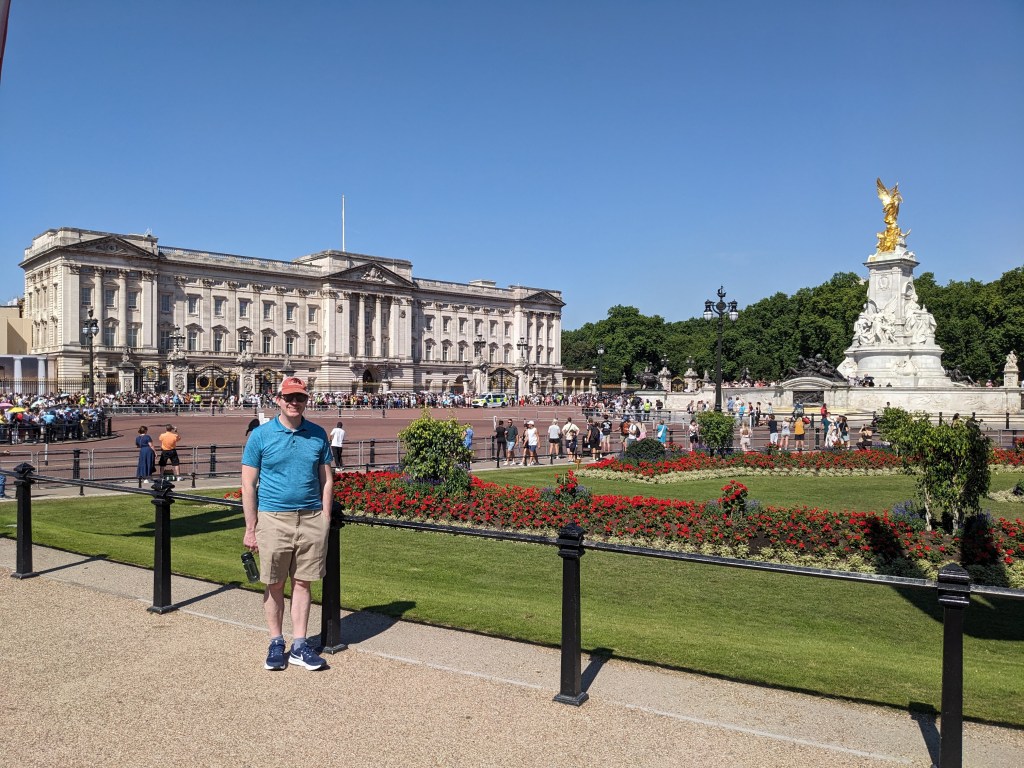
Thus, it is very fitting that we started out with a visit to Buckingham Palace. King George III acquired Buckingham Palace in 1761, and it serves as the administrative center of the monarchy, as well as a royal residence. When we visited, the king was not in residence (as indicated by the Union flag as opposed to the royal standard being flown). You can also see the changing of the guards at 11 a.m. daily although you should arrive early to secure a good view.

We had tickets for the standard tour (about $43 per person) which includes the State Rooms as well as the Picture Gallery and throne room. The throne room is used for royal ceremonies, and the State Rooms are used to entertain various diplomatic and VIP guests. The State Rooms were designed by John Nash when King George IV expanded Buckingham from a residence to a grand palace in 1825. The Picture Gallery displays some of the art from the royal collection, including Titian, Rembrandt, and Rubens.

The palace was vast and sumptuous. My late grandmother would have been overjoyed to have had to the option to live vicariously through my visit. It felt like we were peaking behind the curtain while we were on the tour since the halls and rooms are still used regularly. However, the beautiful and enormous palace is also in the midst of a controversial 10-year renovation plan with an estimated cost of nearly $500 million. The repairs will update wiring and heating systems to make them more efficient, but many Britons are opposed to using taxpayer funds for the project.

After we finished the tour, we grabbed a quick snack at the café and browsed through the gift shop.  Buckingham Palace also houses another art collection in the King’s Gallery as well as 39 acres of gardens which each require a separate ticket (about $25 per person and $22 per person respectively).

Next, we hopped on the Metro and headed to the London Secret Garden, on Cromwell Road in the Earl’s Court neighborhood, for brunch. Afternoon tea was one of the top priorities on Nataliya’s list of activities and the hardest part of planning the trip might have been sifting through dozens of options for afternoon tea that offered all sorts of thematic gimmicks ranging from Sherlock Holmes to Alice in Wonderland. The London Secret Garden turned out to be a great example and offers its own gimmick with air-conditioned domes.

I tend to prefer fruity or citrus-infused teas, so I picked the Wild Encounter tea since it includes berries and tropical fruits. The menu was very substantial and featured a variety of canapes, two scones (one with raisin and one without) with jam and clotted cream, several types of savory sandwiches, and a selection of sweet desserts including macarons, mini cheesecake, and chocolate cake. I enjoyed everything except for the sandwich with egg mayonnaise which I have never liked. The price was also very reasonable compared to many of the more elaborate thematic options. The environment was also very scenic since the historic St. Stephen’s Church, built in 1867, creates a great background.

But our day wasn’t over – far from it! We jumped on an iconic double-decker bus that took us to Notting Hill. However, after being spoiled by the Secret Garden’s air-conditioned dining domes, the bus’s lack of cooling caught us off guard!

Notting Hill was another one of Nataliya’s top destinations due to her love of the 1999 romantic comedy film of the same name starring Julia Roberts and Hugh Grant. The area is home to several iconic locations in the film, including the famous “Blue Door” apartment at 280 Westbourne Park Road. However, it should not be confused with the nearby boutique of the same name on Portobello Road.

After stopping for a quick photo at the Blue Door apartment, we perused the Portobello Road Market which is open every day from approximately 8 a.m. to 6 p.m. during the summer (with shorter hours during the winter). The market dates back to the 19th century and became known for its antiques after World War II. Today, it features hundreds of vendors, including jewelry, clothes, and fresh fruits and vegetables. Friday and Saturday are the busiest days, but not all the stalls are open during the week. In addition, the Notting Hill neighborhood boasts a number of local shops and restaurants to consider as well. Since it was so hot, we stopped for a refreshing pistachio gelato (the signature offering) at Gelateria 3Bis. Natalia found a few good deals on clothing that she couldn’t resist before we headed back to the apartment after another long, hot day!

Saturday July 12

Today, we finally visited one of the most iconic destinations in the city – the Tower of London (admission approximately $47)! We opted to pay a little more for the audio guide, and I would suggest that you allow at least three to four hours to visit the Tower. The original portion of the Tower was built by William the Conqueror after his successful invasion in 1066. It served as a fortress, royal residence, armory, treasury, and most famously as the home of the Crown Jewels. Parts of the compound were damaged in a fire in 1841.

We started out by visiting the raven cages which are a key part of the legendary status of the Tower. A 17th century prophecy foretold the end of the British monarchy if the ravens ever left the Tower; ever since then, at least six ravens have been kept there under the care of a Raven Master. A plaque near the cages described the personality of one raven as being overly dramatic – if she doesn’t get enough attention, she will roll over and play dead!

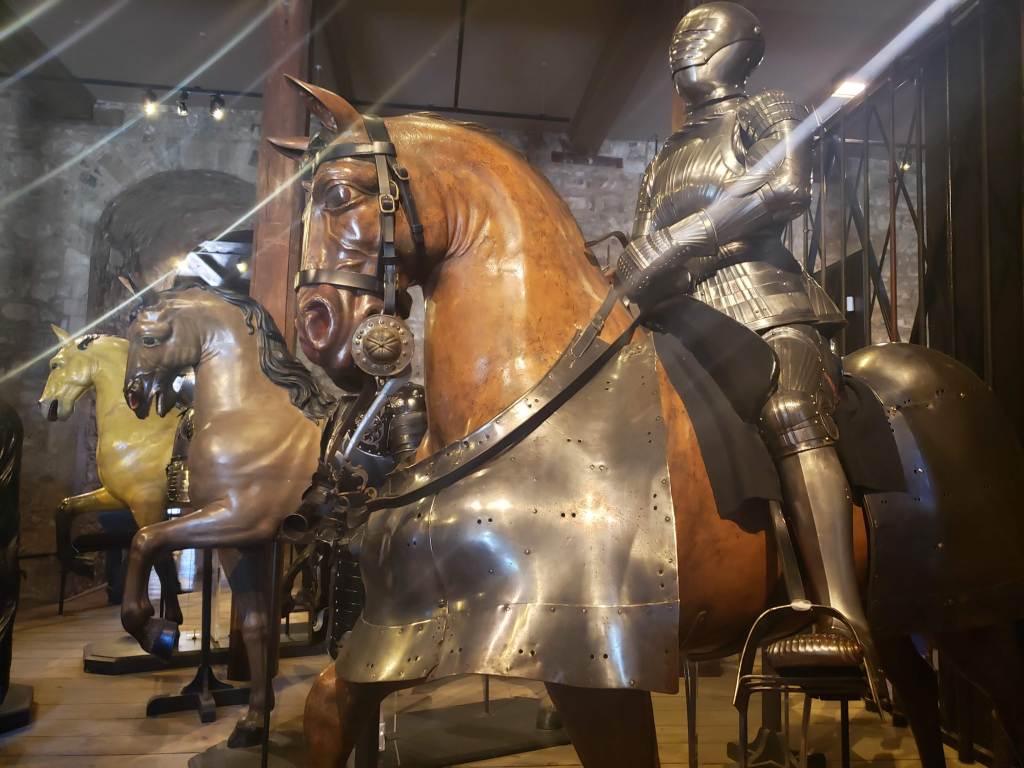
The central part of the fortress, known as the White Tower, houses three floors of arms and armor collected over the centuries, including a suit of armor once said to belong to a giant. One of the highlights of the collection is the Line of Kings which features suits of armor (representing historical monarchs) mounted atop wooden horses.

We grabbed a snack at the Raven Café which featured a delicious bratwurst with lots of toppings and spicy mustard for approximately $11. Later, we grabbed a full lunch at the New Armories Café which features a full menu of soups, sandwiches, salads, and dessert. We picked a classic – fish and chips with mushy peas. The café was crowded but the food was better than most of the options at American museums.

There are also several daily events at the Tower including the Ceremony of the Word at 3 p.m. at the Bloody Tower where the daily password is changed. A special ticket is required for the Ceremony of the Keys which occurs nightly at 9:30 p.m. when the guards (Yeoman Warders) lock the main gates.

However, I decided to skip the main attraction, the Crown Jewels, since I also had tickets to visit the Churchill War Rooms in the afternoon. However, Nataliya decided to stay and see the jewels. She said it only took about 25 minutes to make it through the line (or as the British call it the queue), but once you go into the exhibit you can’t take any photos. In addition, all the visitors must walk along a slow-moving conveyor belt to view the jewels in order to prevent loitering. You are only allowed to go around the circuit twice and the eagle-eyed docents stay on the alert for anyone going over the limit! Nataliya says it was worth the wait since the jewels were so spectacular!

The Churchill War Rooms (admission approximately $44) are located right next to St. James’ Park and Westminster Palace (which houses Parliament) so I got to see Big Ben when I left the Westminster tube station. Built in 1936, the Churchill War Rooms are often called bunkers, but I learned that terminology is technically incorrect. Rather, the war rooms are a reinforced basement protected by a 5-foot layer of concrete. I would recommend around two hours to see everything in the war rooms.

The war rooms housed meeting space for Churchill and his war cabinet as well as personal quarters for him and many staff. The war rooms were in continuous use from 1939 until the Japanese surrender in August 1945. The next day, the war rooms were vacated and remained just as they were left until 1984 when the museum opened to the public.

The first chamber in the war rooms is impressive in its meticulous preservation – the exact same chair in which Churchill sat remains and still bears the scratches his fingernails and wedding ring left. The war rooms also contain a museum dedicated to Churchill’s career that is very thorough but slightly disorganized. The museum starts with Churchill’s wartime accomplishments but then goes back in time to his childhood and early career. The Map Room was also pretty interesting since it displayed all sorts of maps and charts that military commanders used to track military operations around the world. It gives you an idea of the truly global scale of the conflict and the amazing coordination and logistics that were required to conduct operations in an era before cellphones or the internet!

Keeping with the British obsession with afternoon tea, you can even have that experience in the War Rooms (approximately $104). Although intriguing, I preferred our session at the Magic Garden, and I was ready for a full meal at this point.

I decided to take a stroll through St. James’ Park and grab a quick dinner at the café, which offers burgers (approximately $25), salads, and, much to my surprise, non-alcoholic beer. The park was peaceful and features a pretty lake that houses pelicans and numerous other species of waterfowl. King James I established the park in 1803, and the park has been home to about 40 pelicans since the Russian ambassador gifted them to King Charles II in 1664.

This little jaunt took me all the way back to Buckingham Palace, which is adjacent to the park, so better planning might have saved us some time and energy running around the city! When planning your own agenda, there are numerous other attractions nearby besides the war rooms and Big Ben to consider, including several military museums and the National Gallery.

Sunday July 13

Today was our last full day in London and we maintained the fast and furious pace! We started out with a tour on the HMS Belfast (approximately $31), a Royal Navy cruiser that fought in numerous battles during World War II.

Belfast was constructed and commissioned only a month before World War II erupted. The ship helped locate and sink the German battlecruiser Scharnhorst in 1943 and bombarded German defenses during D-Day in 1944. Belfast was deployed to the Pacific Ocean after the war ended and conducted patrols during the Korean War. Belfast was decommissioned in 1963 and was scheduled to be scrapped in 1971; however, veterans and advocates persuaded the British government to preserve Belfast as a museum ship that same year.

Nataliya also had a lot of foresight and bought a scale model of the Belfast in the museum store as a Christmas gift for me.

I would recommend allocating around two hours to visit the Belfast. There are several narrow staircases to climb as you move between decks. We used the audio guide which was organized thematically since visitors can wander through different sections of the ship in any order. We found the printed map was a little hard to use due to the cramped conditions on the ship.

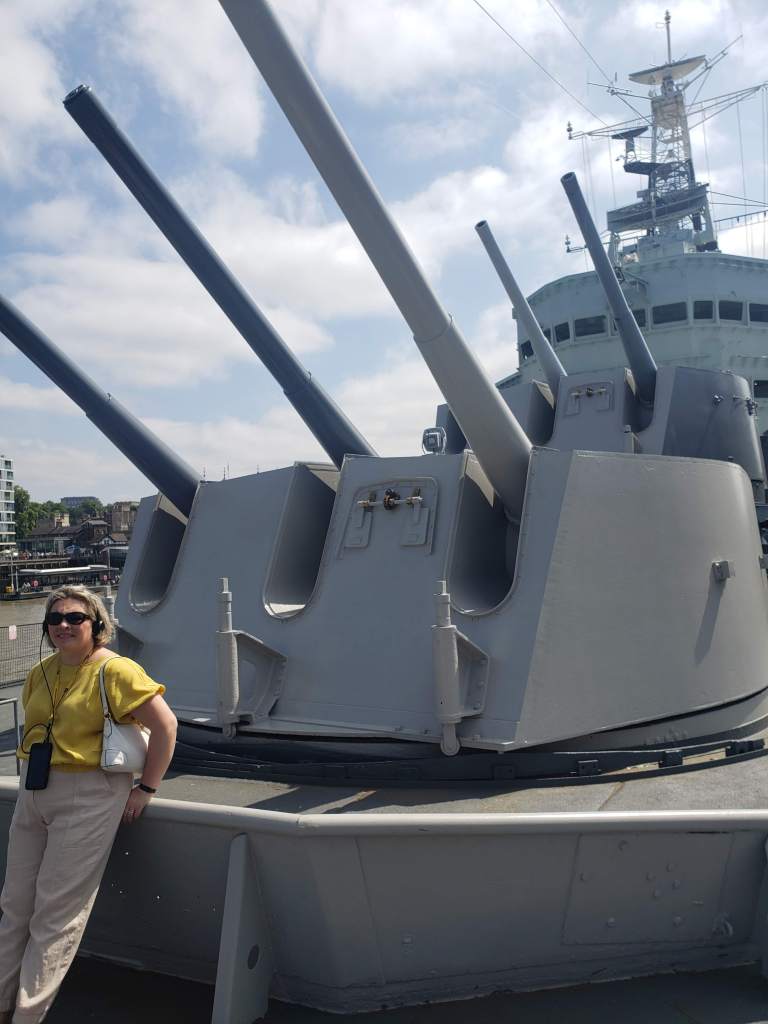
The exhibits do an excellent job of portraying living conditions aboard the ship; guests can even participate in a fun scavenger hunt to locate all the stuffed cats hidden throughout the ship to represent the ship’s real-life feline residents. The engine room contains four massive boilers that would have produced an immense amount of heat and noise! The same goes for the ship’s four turrets, which each contained three guns capable of firing six-inch shells.

The Belfast also has a partnership with the video game studio that developed the World of Warships game, so we received game vouchers along with our tickets. The Belfast also houses a World of Warships “command center” where guests can control the Belfast in a simulated naval battle! I was excited to try it out, but we couldn’t locate it on the confusing map before it was time to leave unfortunately.

We dashed back to the Borough Market for a quick lunch at the Brood restaurant. We opted to share the falafel lunch box which was absolutely delicious! The crispy falafel was some of the best I’ve had, along with halloumi (a cheese from Cyprus), rice, hummus, salsa and a salad. Everything was so fresh and tasty that I was sorry we didn’t have time to savor it.

Next, we sprinted towards Victoria Station for the first leg of our Harry Potter studio tour (approximately $79)! This was Nataliya’s most anticipated attraction of the whole trip since she is an avid Harry Potter fan! It is extremely important to book tickets for the tour as early as possible since it is so popular. We decided to book tickets that included bus transport to and from the studio which were more expensive (approximately an additional $65) but saved a lot of hassle. Since Victoria Station is so huge, and my GPS service was not very strong, it took us a little while to wander around and find the right spot. Eventually we arrived on time although a little tired and frustrated.

The bus trip took about 45 minutes, and we arrived for a late afternoon admission. You could easily spend nearly a whole day at the enormous studios, which originally housed an aircraft factory during World War II, that cover 150,000 square feet! The studios had previously been used to film the 1995 James Bond film GoldenEye and the 1999 Star Wars prequel The Phantom Menace prior to the Harry Potter series.

The studio is impressive from the first moment you walk into it and are greeted by the massive dragon suspended from the ceiling! Since we arrived a little before our scheduled admission, we ordered a milkshake piled high with toppings from the Frog Café in the lobby.

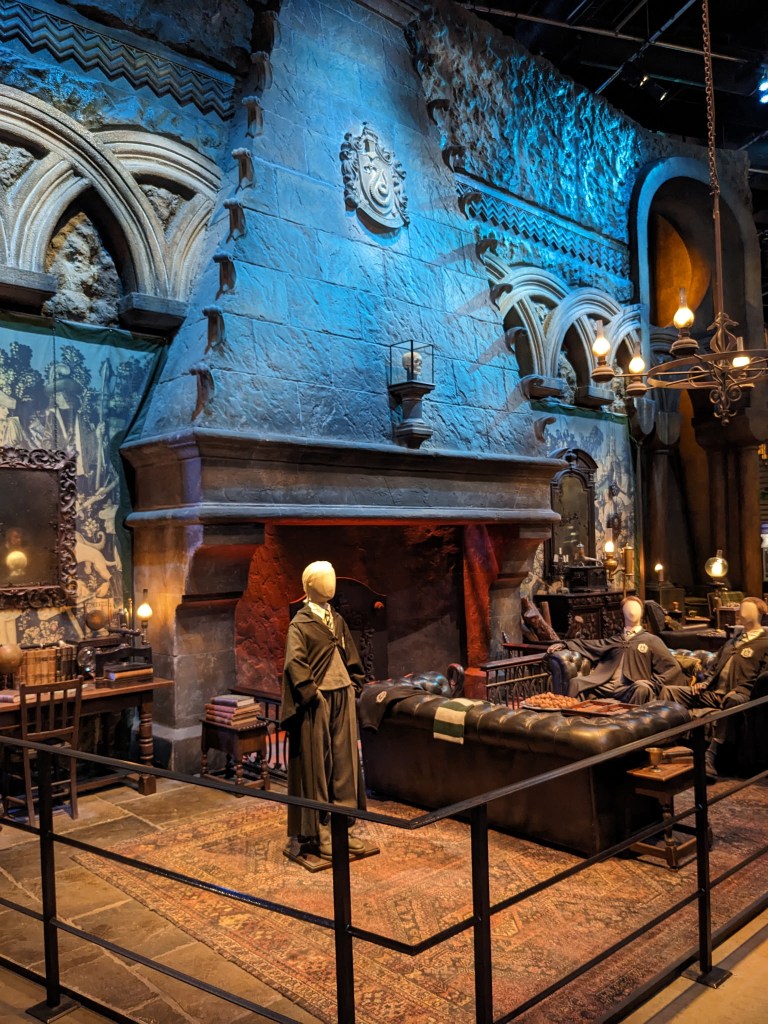
After a brief orientation, the tour starts in the iconic Great Hall of Hogwarts, with the magical candles floating in midair. Next comes a seemingly endless onslaught of props (more than 38,000) and costumes (more than 25,000) from the films. I’m a casual Harry Potter fan and even I was blown away by quality and massive number of exhibits. There are also some fun interactive events (we saw the procession of dancers from the Tri-Wizard Tournament) as well as seasonal activities that might make it worthwhile to visit again. Platform 9 and ¾ was another highlight although we had a lot of fun actually riding the Hogwarts Express at Universal Studios in Orlando a few years ago.

Halfway through the tour, we stopped at the Backlot Café for dinner which included BBQ chicken wings and a superfood salad. Again, the food was much better than any amusement park meal we’ve had back home – the salad was especially fresh and tasty. More fascinating exhibits awaited us, including the famed Gringott’s vault, Diagon Alley, and an enormous model of Hogwarts that measures more than 50 feet across! As a scale model builder, this was one of the most impressive displays since it includes 2,500 fiber optic lights! Nearly 90 artists worked on it for almost a year. At the end of the tour, I wondered why Star Wars hasn’t capitalized on a similar endeavor that would surely bring in as much revenue, if not more? I realized there are some similar attractions such as Galaxy’s Edge at Disney’s Hollywood Studios as well as occasional touring museum exhibits of props and costumes. Galaxy’s Edge felt more immersive, and I will NEVER forget being able to pilot the Millenium Falcon with Nataliya! But the Harry Potter Studio makes up for in scale what it might lack in immersion.

Exhausted after four full days of excitement, we got back on the bus and headed home. Tomorrow, we would begin the second leg of our European tour in Paris! Having only scratched the surface in London, we still have a lot to look forward to on a return trip in the future!

Back to the Windy City: August 2023

After leaving Chicago as a youngster nearly 40 years ago, I recently (August 2023) returned for a trip down memory lane. I was born in Libertyville, a suburb of Chicago, in the early 1980s and my family moved to Cincinnati two years later. Since then, I have only visited Chicago on a couple of day trips.

I barely remember leaving an empty house in Libertyville, but we still had relatives in the area. My curiosity was piqued when mom and dad suggested we go back to visit Cousin Kathleen over the summer. Kathleen was my maternal grandmother’s cousin and had stayed in touch with grandma up until her passing at age 96 in 2023.

We visited Kathleen at her retirement community in Evanston, another Chicago suburb, and brought along ice cream and cupcakes to belatedly celebrate her 90th birthday. We also took her out to dinner for her favorite fried shrimp at Cluver’s.

Cousin Kathleen and Mom.

Despite being in her 80s, Kathleen has a razor-sharp memory and loves to talk! I learned a lot about Kathleen and Evanston, but it was very difficult to get a word in! She loved to ice skate as a kid and still had one of her own hand-knitted skating outfits in a closet. Even as a child, she was very thrifty and thought the $5 fee for skating lessons was extravagant. Kathleen got her bachelor’s degree after World War II at Wells College, a small private liberal arts school near the idyllic Cayuga Lake in western New York. She never married but loved to garden and travel.

After graduating, Kathleen worked in a bank for a while and was so good with numbers that she corrected her tax returns after her accountant overlooked errors. Kathleen told us about how later she rented out apartments as a landlord and had humorous anecdotes about all the terrible renters she had over the years. Kathleen remains very thrifty to this day and recounted how much she loved looking for good deals at church rummage sales. We also learned about the family history in the Evanston area since her parents owned a grocery store in the area. Like me, Kathleen also loves to write and had participated in a fortnightly writing circle for many years. My mom, Mary, read several of Kathleen’s stories and says she is a very talented and humorous writer.

Kathleen’s mother had graduated from prestigious Bryn Mawr College in Pennsylvania in the early 1900s, and one of the Bryn Mawr traditions is that first-year students receive a lantern at a special ceremony which signifies passing the Light of Knowledge from one class of students to the next. My mom was delighted when Kathleen gifted her mother’s lantern to her.

I was also pleased and surprised to receive a keepsake as well – a framed certificate from the early 1800s attesting to the citizenship of a distant ancestor – Ralph Eddowes. Ralph emigrated from Britain in 1794 and became a Unitarian preacher in America. Kathleen also has some miniature portraits from the early 1800s that depict Ralph, his wife Sarah, and their children. Ralph and Sarah had several children, so they probably commissioned several copies of the portraits for the whole family. You can see copies of the same portraits being restored here: https://www.theconservationcenter.com/articles/2020/2/28/conserving-portrait-miniatures-a-tiny-step-back-in-time#eddowes

I felt a kinship with Ralph since I am also a Unitarian/Universalist. Ralph was a leader in the Philadelphia Unitarian church in the early 1800s and published a book of sermons. Although it seems like he hasn’t attracted much scholarly attention, I hope to correct it and publish an article about his role in formulating non-sectarian Unitarian theology.

While we acquired several keepsakes on this trip, we also disposed of one as well. When my grandmother passed away, my mom Mary inherited her childhood dollhouse. My great-grandfather had built the bungalow-style dollhouse, possibly from a kit, and grandma had loved it her entire life. Grandma put a pair of dolls in the house and named them Henry and Jane. She loved to tell visitors stories about the adventures she imagined Henry and Jane had from time to time, such as vacationing in Morocco. Over the years, the dollhouse was renovated and updated with electric lights. After grandma passed away, my mom kept it for awhile and eventually decided to let someone else enjoy it. She had hoped some of our cousins who have younger children would take the dollhouse, but it was too big and heavy. Mom then decided to donate the dollhouse to a museum and eventually found one in Rock Island, Illinois, that would accept it. The owners of the American Doll and Toy Museum agreed to meet us in Chicago and were thrilled to receive the dollhouse. They have more than 8,000 dolls and toys in their collection, and I hope Henry and Jane’s house fits right in!

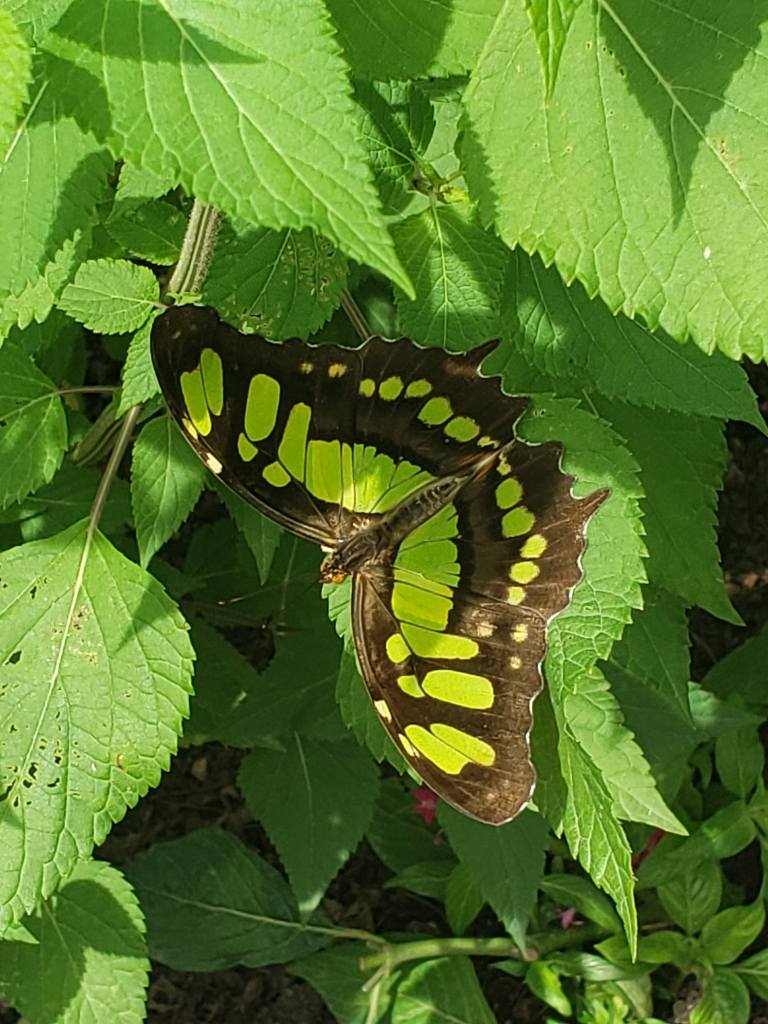
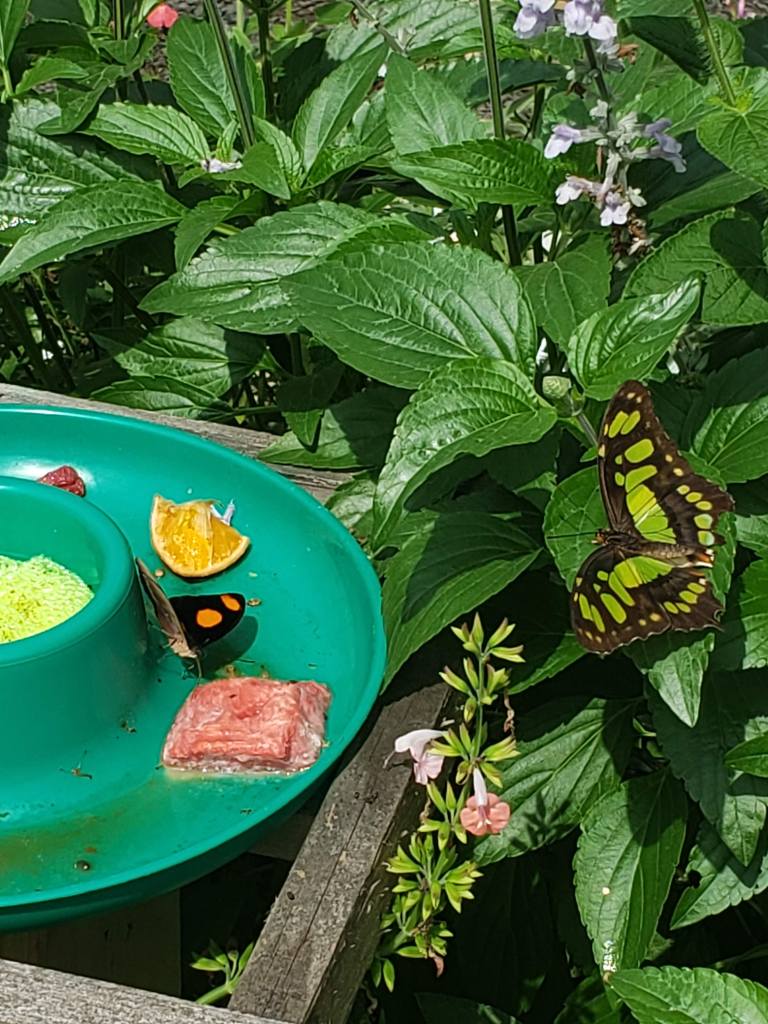
While visiting with Kathleen was certainly the highlight of the trip, we also explored the city. The Chicago Botanic Garden was our first destination ($22), which I also vaguely remembered from my childhood. The botanic garden opened in 1972 and spans more than 385 acres along Interstate 94 north of Chicago. Being so close to the interstate was a little disruptive due to all the road noise, but it was still a very pleasant experience. The botanic garden is known for its classic English garden and its serene Japanese garden. It was too large for us to explore all in one day, but there are tram tours that help you maximize your exploration. We took a special summer butterfly tour that includes butterflies from Africa and Asia. The butterflies were very colorful, and it’s always fun when they land on your friends and family.

We stopped for lunch at the Garden View Café – I didn’t look closely enough at what I was ordering and grabbed a vegetarian curry spinach wrap by mistake. But it turned out to be a tasty error! You can also choose from salads, flatbreads, burgers, and panini sandwiches. I vaguely remembered eating hotdogs at the botanic garden as a youngster and recall lots of squirrels running around picking up the scraps!

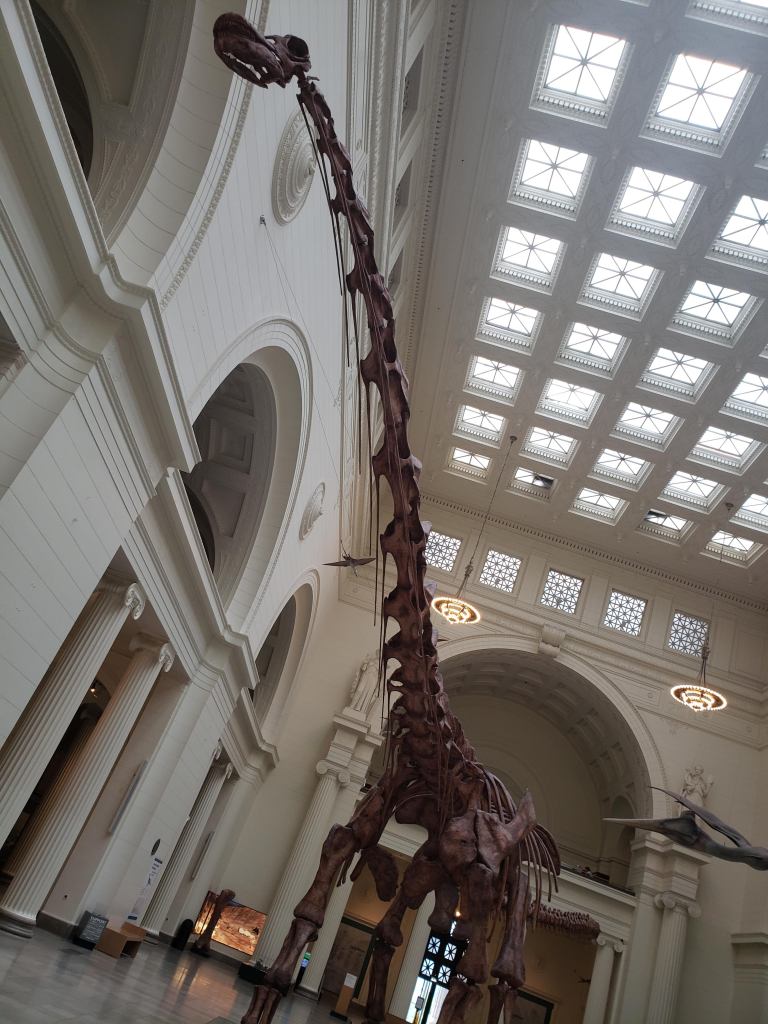
The Field Museum was our final highlight, but getting there was a tremendous hassle! Unbeknownst to us, we made the mistake of trying to visit on the same day as a Chicago Bears preseason football game. The Field Museum is part of the Museum Campus which includes Soldier Field, home of Da Bears, as well as the Shedd Aquarium (3rd largest in the Western hemisphere) and Adler Planetarium, both of which I would love to visit next time. First, the highway driving was nerve-wracking due to the combination of aggressive Chicago drivers and “spaghetti bowl” of highway interchanges.

When we finally arrived at the Museum Campus, we were shocked to discover that the prices at the parking lots had shot up to $50 for the football game! The game-day traffic pattern prevented us from turning around so we had little choice but to pay up. We finally made our way to the Field Museum which was built in 1984 and is one of the largest in the world. Tickets were $30 but the price increases if you want to visit some of the featured exhibits. We visited several of the regular exhibits including China, the dinosaurs, and ancient Egypt. I’ve always been enamored with ancient Egypt since I was a youngster, and I really enjoyed the recreated marketplace where you could learn all about daily life in ancient Egypt. The exhibit featuring Sue the T-Rex was also very fascinating since it highlighted all the different stories her bones could tell, such as revealing numerous injuries. I highly recommend both exhibits and there are numerous other sections related to science and the natural world (gems, dinosaurs, plants, etc.).

The museum features a casual café and a bistro. I got a cheeseburger ($14) which was very good, and my parents split a huge (12-inch) Chicago style hotdog ($14, with a poppy seed bun, mustard, relish, onion, tomato, peppers, and celery salt). Overall, I highly recommend the Field Museum.

On a prior day trip, I visited the Museum of Science and Industry ($26) which I also highly recommend, especially if you’re interested in World War II! It also features exhibits related to transportation, agriculture, architecture, and even a replica coal mine.

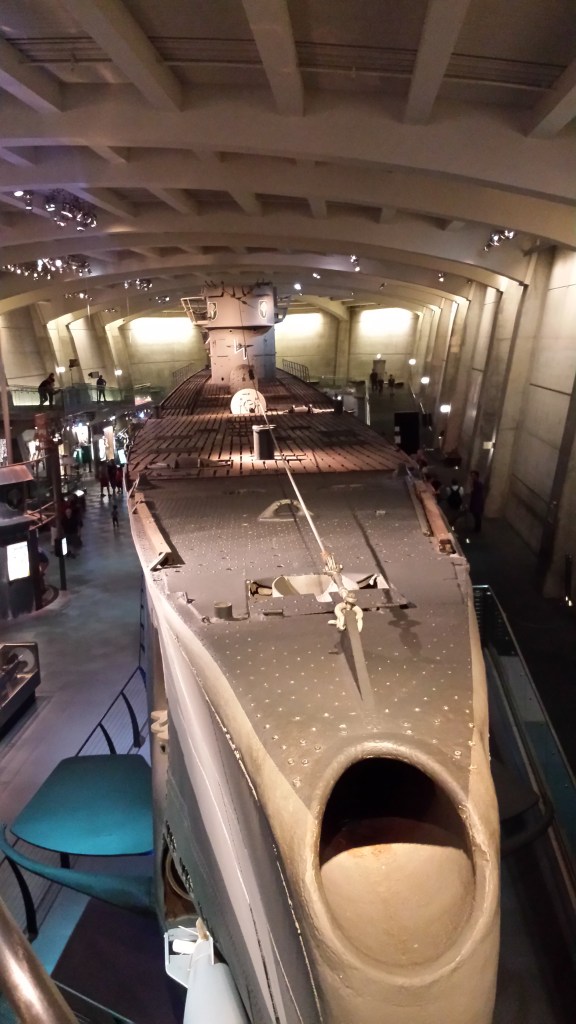
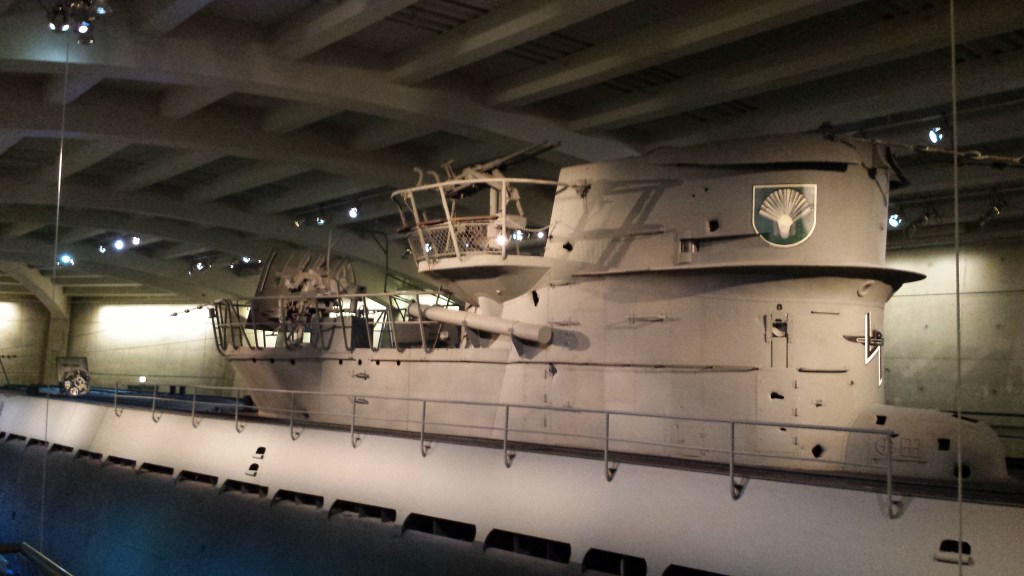
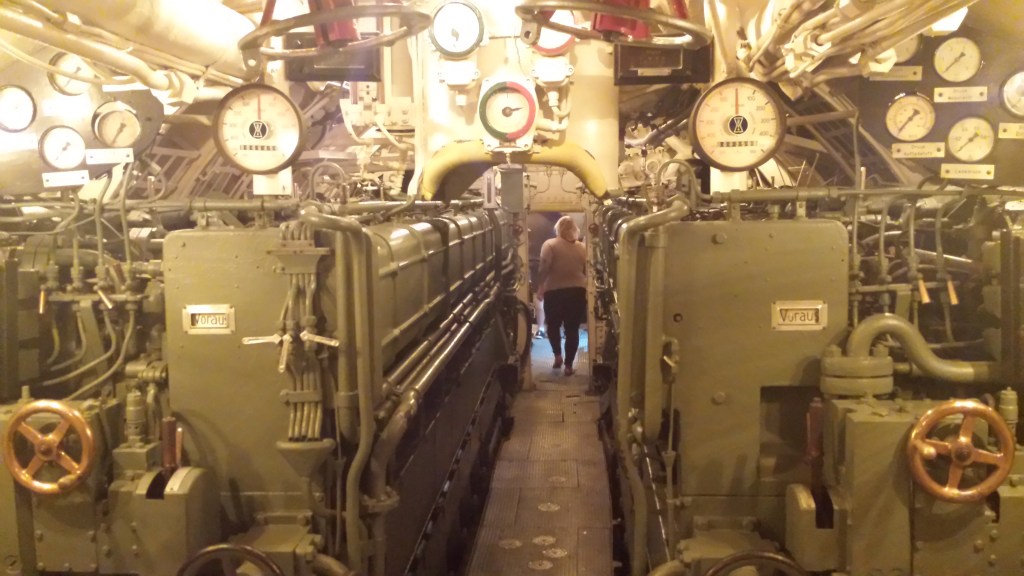
However, my star attraction for is U-505, the German World War II submarine located in the basement. U-505 is a Type IXC submarine launched in 1941 that conducted 12 combat patrols and sank eight Allied ships. However, U-505’s luck finally ran out on June 4, 1944, off the coast of Morocco when an Allied task force discovered and attacked the submarine. U-505 surfaced after being heavily damaged and the crew failed to properly sabotage (scuttle) the submarine when they abandoned ship. American sailors captured the submarine and managed to prevent it from sinking. Remarkably, the task force managed to tow the damaged submarine more than 1,700 miles back to Bermuda where it was intensely studied.

After the war, U-505 made a promotional tour through New York, Baltimore, and Philadelphia before being mothballed. In 1954, Chicago residents raised $250,000 to transport the submarine to the museum where it was on display outdoors until 1997 when it was lowered into the basement 42 feet underground.

A separate ticket ($18) is required to tour U-505, but it’s definitely worth the price! You can appreciate how 48 sailors lived in very cramped conditions for up to two months at a time. There are interactive portions where you can decipher coded messages, practice navigation, and simulate firing a torpedo.

Again, the Chicago CityPass ($134) is a great option if you plan on visiting popular attractions including the Museum of Science and Industry, Shedd Aquarium, Field Museum, or Adler Planetarium.

Overall, it was great to finally spend a few days back in my hometown, and I’ll definitely be back. I’m glad I got to spend time with Cousin Kathleen and visit some great attractions. But, next time I’ll remember to check the football schedule before I go back to the Museum Campus!

Thanksgiving on the Road 2023: Part 1, Seattle

Normally, I don’t travel for Thanksgiving since most of my family is still in Cincinnati, but this year we went on the road to Seattle. With a slight detour on the way home, I flew more than 5,500 miles in a week!

Nataliya wanted to visit Sasha, her childhood friend from Ukraine who also emigrated to the US and settled in Seattle. In addition, another childhood friend Lilya, who still lives in their hometown of Kharkiv, also made the 18-hour journey to Seattle for the holidays.

Part 1

Nataliya, Sasha, and Lilya grew up together in Kharkiv. They lived in the same neighborhood and went to the same school. After graduation, they went their separate ways: Nataliya studied art and emigrated to the US and so did Sasha. Lilya started working and got married. Despite moving away, they all stayed in touch. Nataliya and Sasha talk frequently on the phone and usually visit each other once a year.

Sasha helped arrange flights and permits for Liyla and her two daughters to stay with her near Seattle for a month. Since the Russian invasion in 2022, the US government has made it easier for Ukrainians to get visas and travel to the states. Sasha’s own daughters had moved out, so she had several spare rooms. However, it was a full house once we all arrived since Sasha’s mother had also moved in after the war started!

We flew in together on Sunday, Nov. 19, and took an Uber to Sasha’s house. By the time we arrived, it was quite late, so we settled in and went to bed.

Monday, Nov. 20                                                                 

Our first excursion was to the Museum of Pop Culture ($37.50), which features exhibits related to science fiction, fantasy, hip-hop, video games, and Nirvana/Kurt Cobain. Nirvana was one of the first bands that sparked my interest in pop music, and Cobain’s death in 1994 was a tragic milestone. The exhibit, titled “Taking Punk to the Masses,” focuses on the influence punk had on the band and features lots of interviews, artifacts, and memorabilia. All the artifacts (instruments, photographs, flyers, t-shirts, etc.) made the exhibit feel a bit like visiting a holy shrine. I would have liked to spend more time in the exhibit, but we had a lot more to see.

The “Infinite Worlds of Science Fiction” was a close second for my favorite exhibit since it had a few Star Wars artifacts, as well as items from Doctor Who, Blade Runner, and Battlestar Galactica. I enjoyed the collection of pieces from The Empire Strikes Back, including storyboards and a miniature AT-AT from the Battle of Hoth. Incredibly, they also had an original cloth costume from Tron (1982) that I also loved seeing on TV as a kid. I loved seeing the “light cycles” race, and the glowing costumes were amazing! Although it had deteriorated slightly, it was in great shape for being more than 40 years old and very thinly constructed.

“Fantasy: Worlds of Myth and Magic” features several weapons from the Lord of the Rings trilogy as well as the Wizard of Oz  and Game of Thrones.

Nataliya’s son Alex was excited to visit the indie video game exhibit but was a little disappointed that the games were only available as abbreviated demo versions. “Hidden Folks” is interesting since it’s a hand-drawn black and white version of Where’s Waldo? “The Light in the Darkness” was also striking since it focuses on an obscure topic: a family of working-class Polish Jews living in France during the Holocaust.

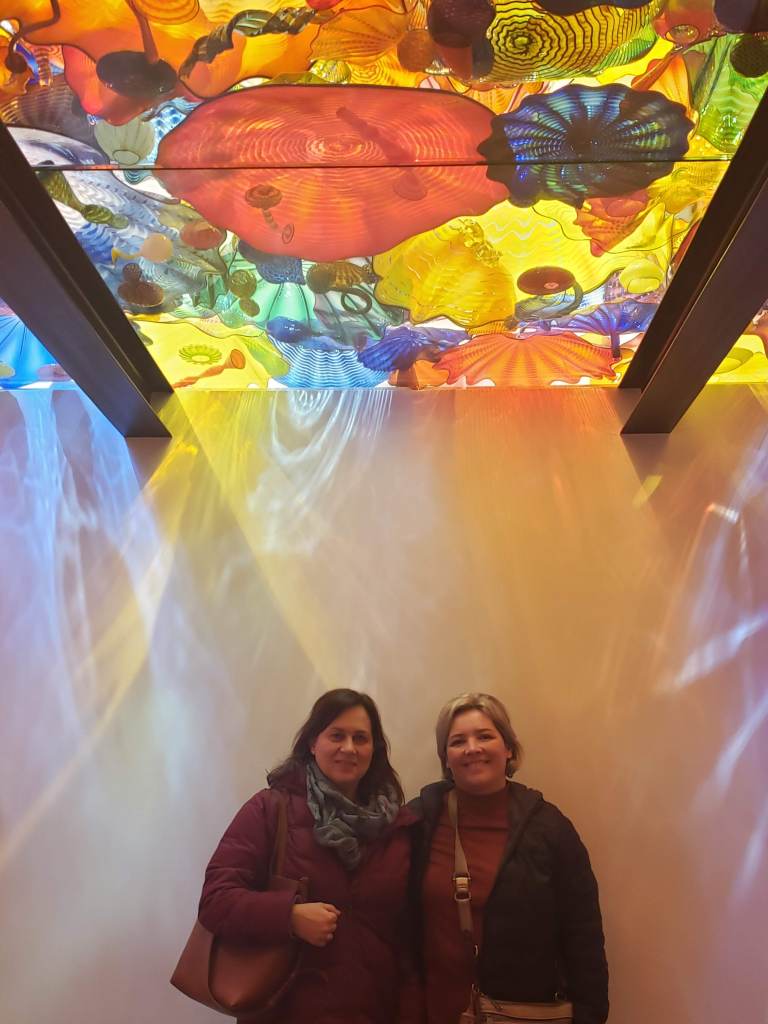
The Museum of Pop Culture is right next to the Space Needle, which Nataliya and Alex had visited during a previous trip in 2021 ($35), and the Chihuly Garden and Glass museum ($35). Due to my acrophobia (fear of heights), I had no interest in the Space Needle, but we did visit the Chihuly museum. The collection features numerous colorful and imaginative glass sculptures that formed wonderful scenes. The “Ikebana and Float Boats” was one of my favorites, and it was inspired by Chihuly’s visits to Japan. The Glasshouse is also very impressive which features a single large sculpture that spans more than 100 feet and is suspended from the ceiling! The inspiration for the design comes from two of Chihuly’s favorite buildings: the Sanit-Chappelle church in Paris and the Crystal Palace in London (destroyed in 1936 by a fire). We also got to see a glass-blowing demonstration (available daily every hour after 11:15am until closure).

If we had planned to visit the Space Needle, the Seattle CityPass ($119) would have been a great deal since it includes the Space Needle, Seattle Aquarium, Museum of Pop Culture, and Chilhuly Garden and Glass which separately would cost $146.50. Even without the Space Needle ($35) the CityPass could save you a little money and also includes either a harbor cruise ($39) or the Woodland Park Zoo ($21).

Tuesday, Nov. 21

After an eventful first day, we took a leisurely ferry ($9.85) across Puget Sound from Edmonds to Kingston on the Kitsap Peninsula. Originally, Alex wanted to ride the Amtrak train for a day trip up to Vancouver in British Columbia; however, an undisclosed problem on the rail line led to our trip being cancelled! Due to Thanksgiving on Thursday, Alex was disappointed we couldn’t reschedule, but we quickly pivoted to the ferry instead.

Luckily, the waters were calm, and the crossing only took about 30 minutes. Alex enjoyed being out on the deck and buffeted by the wind. It was overcast and cool, but we were blessed with very good weather overall on the trip. We walked into town and stopped for lunch at the Filling Station bar and grill, which offers soups, salad, sandwiches, and pizza. The prices were reasonable, and the service was quick. Lilya and her daughters all ordered enormous hamburgers since they wanted to compare it against the Ukrainian version. They were all very impressed, and I was astounded when they each ate a whole hamburger!

After lunch, we walked around the waterfront a little more and stopped briefly at the small park sponsored by the local Kiwanis Club. The skies were still a little gloomy and overcast, so we cut our trip short and headed back to the ferry terminal. We arrived just in time to catch the return trip. I was a little disappointed we had to cut our trip short, but next time I’d like to take a cruise on the Sound (weather permitting). While we were disembarking in Edmonds, Nataliya and I noticed something down in the water. At first, I thought it was a log or something floating in the water, but then I realized it was a sea otter! It bobbed around for a moment before disappearing back into the water – it was too quick for me to snap a photo. I was astounded to see it so close to the ferry terminal, but it was a wonderful surprise!

Wednesday, Nov. 22

While yesterday had been low-key, today was packed with fun! We first grabbed brunch at Belle Pastry in Bellevue. I had a ham and cheese croissant, and Nataliya shared a few bites from her pastries which were all tasty. Again, Lilya and her daughters were impressed by the superior quality and craftsmanship of American patisserie bakers.

The Seattle Aquarium was our next stop ($39), and it’s right on the downtown waterfront and is within easy walking distance from many other attractions. Of course, the aquarium has lots of colorful exotic fish, but it also has a number of aquatic birds and mammals too. First, we visited the “Life on the Edge” exhibit which features several artificial tide pools where visitors can touch various creatures including sea urchins. There’s also a large tank nearby with a Giant Pacific octopus which was fascinating to watch.

The aquarium has a schedule of daily activities and the sea otter program at 2:15 pm is delightful! The sea otters were very playful and charismatic. However, the Tufted Puffins in the bird section were also highly entertaining. Alex couldn’t stop laughing when one of the Puffins went began flipping and flopping around in the water. It seemed to be bathing but took it to the obsessive extreme.

Next, we walked across the street to Pike Place Market. Founded in 1907, the market spans nine acres and houses more than 220 artisans, restaurants, and boutiques. The market is huge, and the variety is overwhelming! I highly recommend selecting a few shops to visit ahead of time, but we just wandered the main arcade.

One of the most iconic tourist destinations at the market is the Gum Wall located in Post Alley. What began as an impromptu way of disposing of gum in the 1990s has become an example of “collective art.” A dense collection of graffiti has also taken root on the opposite side of the alley, which included a caricature of Mitch McConnell, the U.S. Senator from Kentucky, and a poster inquiring after a missing “burrito unicorn.”

The market was very busy and boisterous with fishmongers yelling at potential customers as they passed by. We stopped for an early dinner at Mr. D’s Greek Delicacies and ordered some gyros and kebabs (souvlaki). I haven’t had a good gyro in a long time and Mr. D’s was pretty good. I ordered it “Greek” style which meant the French fries were mixed in with the meat inside the pita, which was a tasty variation. Service was very fast, and the prices were reasonable for large portions of food. Lilya and her daughters were also suitably impressed by their first gyros as well.

After dinner, we watched the sun set over Puget Sound from the MarketFront pavilion on the west side of the market. It offers a great view of the Seattle waterfront.

By this point, the market was starting to close, and there were a couple stores I was disappointed we didn’t have time to visit, including the Market Magic Shop and Golden Age Collectibles (comics). That just gives us another reason to return.

Although it had been a busy day, the youngsters in our group weren’t ready to call it quits yet! They wanted to catch a ride on the Seattle Great Wheel down on the waterfront ($18). It reaches 175 feet tall, and the ride lasts for three revolutions (12 minutes). You can book a VIP seat in one of the glass-bottom gondolas ($50) or order a four-course meal ($125). I waited at the bottom while the thrill-seekers went up.

Although I had been ready to go home for a while, the youngsters weren’t and wanted one last adventure in the Wings Over Washington “4D ride” ($19). The ride features drone footage of Washington’s natural wonders to create a flying sensation, which I again opted out of. The kids had lots of fun, but I couldn’t wait to get to bed.

Finally, the youngsters’ thirst for adventure was sated and we headed for home. Thankfully, we could rest tomorrow!

Thursday, Nov. 23

Today, we would recuperate and partake in an international Thanksgiving feast. Aside from hanging out around the house, we took a walk around the neighborhood and a quick hike through the nearby St. Edwards State Park, which originally operated as a Catholic seminary from 1931-1976. The state of Washington bought the property after the facility closed, but the seminary building fell into disrepair. The seminary architecture is a blend of Romanesque Revival and Art Deco interiors. In 2017, the state formed a partnership with a private company to renovate the seminary, and it reopened as a hotel in 2021. The dormitories have been converted into 84 guest rooms, the dining hall is now a restaurant, and the former barbershop has been transformed into a bar.

The park covers more than 325 acres and includes hiking and biking trails as well as aquatic activities. Admission is $10 per day.

Before we started to feast, Nataliya also led an impromptu yoga class in the living room – Lilya and one of her daughters also participated. Nataliya and I usually go to an exercise class at the YMCA nearly every day of the week, so, while I appreciate the R&R, I was also glad to work up a sweat before dinner. Nataliya was a great instructor and could probably teach her own class at the YMCA someday.

The feast included some traditional America dishes, like turkey, but also several Ukrainian ones, including one of my favorites – spicy Korean carrot salad. In addition to all the houseguests, several of Sasha’s friends and relatives also attended as well which made it the largest Thanksgiving in which I’ve ever participated! I made one of my staple side dishes – Brussel sprouts with bacon. It proved to be a big hit! I am inspired to redouble my Russian language lessons through the Babel app since it was difficult to communicate with some of the Ukrainian guests (especially since we hope to visit Nataliya’s family in Ukraine once it’s safe). For example, I would have liked to be able to talk to Lilya more since it turns out she also loves history. After working for several years, she went back to night school and earned an undergraduate degree in ancient Egyptian history. Although my specialty is modern European history, ancient Egypt is what fascinated me as a kid. While other children wanted to be cowboys or astronauts, I wanted to be Indiana Jones! I hope I can learn more about Lilya the next time we meet – hopefully soon.

NYC 2nd Edition: April 2023

Nataliya and I first went to New York in 2019 and we finally returned earlier this year. Alex had briefly visited New York once before but had a much fuller experience this time around!

April 3

For our 2023 spring break vacation, our first stop was to soak up some Slavic culture in Brighton Beach (known as Little Russia or Little Odessa due to the influx of Soviet immigrants since the 1970s).

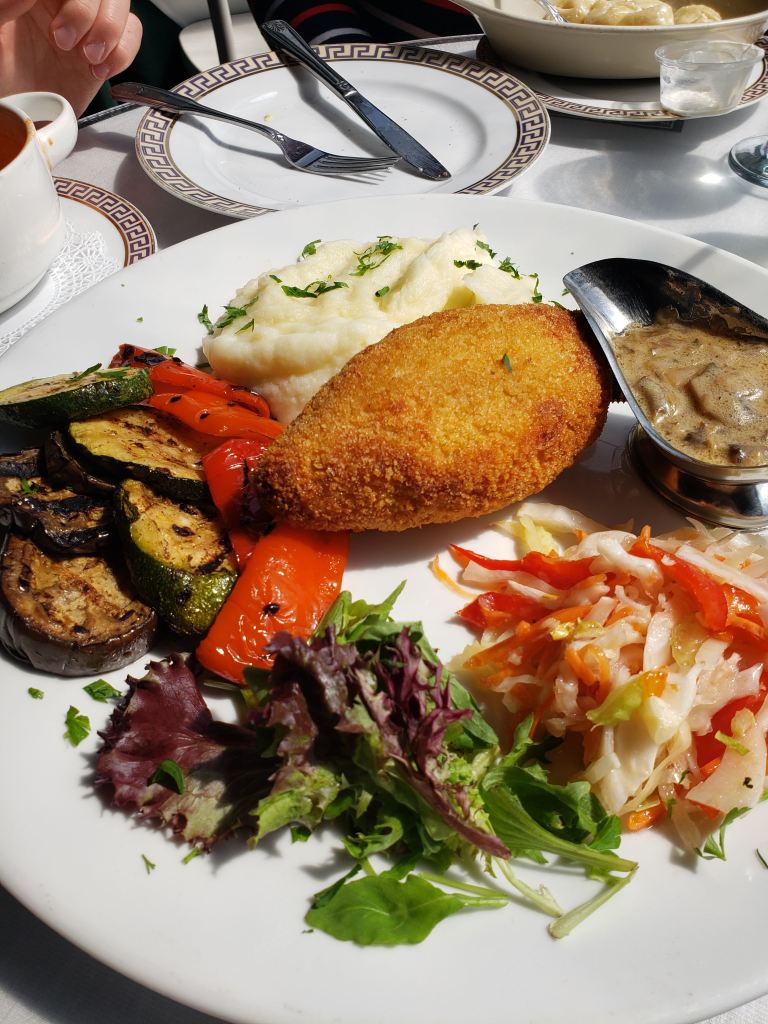
In early April, the weather on the beach was very cool and windy, and we nearly had the beach to ourselves. After a short promenade, we stopped for lunch at Tatiana, a Russian restaurant and nightclub right on the boardwalk. The restaurant was nearly empty since it was a weekday in very early spring. Tatiana features an extensive menu of pierogi (vareniki) options, kabobs, chicken Kiev, and Korean spicy carrot salad. We ordered Georgian sausages and chicken Kiev. Although it was delicious, each meal included a huge amount of food, so we had to carry around leftovers while we made another stop.

We picked up more cargo at our next destination at the Tashkent Supermarket, an Uzbek grocery store that also serves hot food. It was jam packed even in the middle of a weekday, but we loaded up with even more tasty treats including chocolates and pilaf. I highly recommend checking out Brighton Beach, especially in warmer weather, since the New York Aquarium is also nearby.

Finally, we got on the subway and made our way back to our room at the Pod Hotel at Times Square. We had previously stayed at the Pod Hotel on 51st Street in 2019, and the Times Square location was also great, although very cramped for three people. It was very clean with a modern minimalist style.

April 4

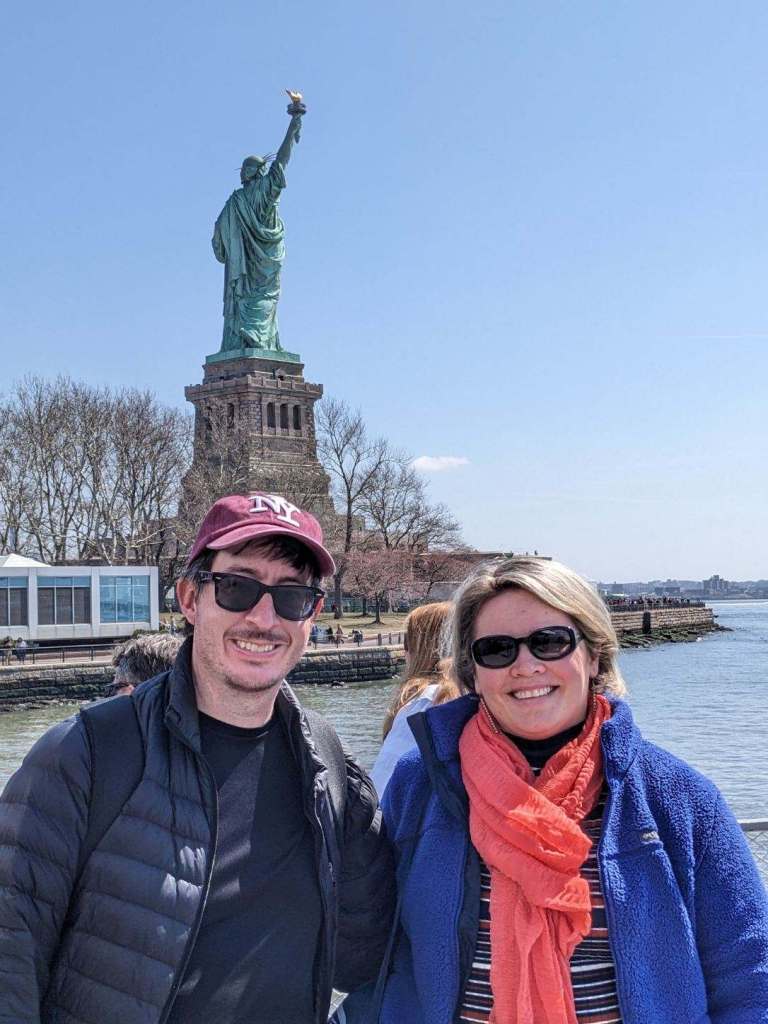
We started our second day with a quick stop at a shoe store before heading off to the Statue of Liberty. Since we were going to be doing so much walking each day, it would be very important to have comfortable shoes! Unfortunately, Nataliya noticed the shoes she had brought were not up to par as soon as we landed at LaGuardia the day before. Fortunately, there are numerous shoe stores near Times Square so we made a quick pit stop so Nataliya could upgrade her sneakers. The store was filled with tourists in a similar situation – one shopper just abandoned her old shoes in the store!

After we were suitably equipped for the rest of our trip, we took the subway to Battery Park in order to board the ferry of the Statue of Liberty. If you want to visit the statue, it takes a lot of planning in advance! Only one vendor, Statue City Cruises, is authorized to sell tickets to the statue and there are three levels of access: general admission ($24.50), pedestal ($24.80), and crown access ($24.80). There is no elevator access to the crown which is only accessible via a staircase with more than 160 steps. Tickets for the pedestal and crown sold out months ahead of our visit so try to book as soon as your plans are finalized (especially for the peak summer season)! There’s also the option to take a “hard hat” tour of restoration work on Ellis Island ($74.50) which also includes general admission but not access to the pedestal or crown.

I also recommend you arrive at least 30 minutes before your ferry boat is scheduled to depart, since passengers are subject to security screening. However, during the peak summer season, and especially holidays, the wait can be much longer so be warned! On her first visit to the statue in 2019, Nataliya waited more than an hour before boarding the ferry since she visited during the 4th of July holiday.

It’s suggested that you allow at least two hours to visit the statue and an extra hour if you want to visit Ellis Island. I feel like that’s the bare minimum! The last time slot to arrive at the statue is 3 p.m. and the last boat departs from Ellis Island back to New York at around 5 p.m., but you would really be in a rush and probably not get the full experience in only two hours. I would recommend you arrive in the morning and depart after lunch like we did. You could easily spend five or six hours at both the statue and Ellis Island. Constructed between 1881 and 1886, the Statue of Liberty is truly awe inspiring!

Since we had general admission tickets, we walked around the base of the statue and then ate lunch. There is a small café and a concession stand but the line was very long during the lunch hour rush (even ahead of the peak summer vacation season). There’s also a small museum and tours by park rangers are available. Ellis Island can be accessed on the same ferries that take you to the Statue of Liberty. Ellis Island houses a much larger museum that documents the island’s history as the gateway for approximately 12 million immigrants to the U.S. between 1892 and 1924. Legislative reforms in 1924 curtailed immigration and also allowed immigrants to bypass processing on Ellis Island which began to fall into disuse. Ellis Island was used to detain POWs during World War II but was closed in 1954. Efforts to restore the island led to its designation as a national monument in 1964. Repairs began in the 1970s, and the Ellis Island museum opened in 1990.

The beautifully restored Main Administration building was built in 1900 in the French Renaissance style, and the Great Hall (used to inspect immigrants) is particularly impressive with its 50-foot arched and tiled ceiling. The museum offers three floors of exhibits that document America’s immigration history, including several references to Ukrainian immigrants! We only had time to see some of the exhibits, but I thought they were very informative. However, Nataliya thought the exhibits were a little disorganized. Nevertheless, the entire trip was very fun, affordable, and worthwhile!

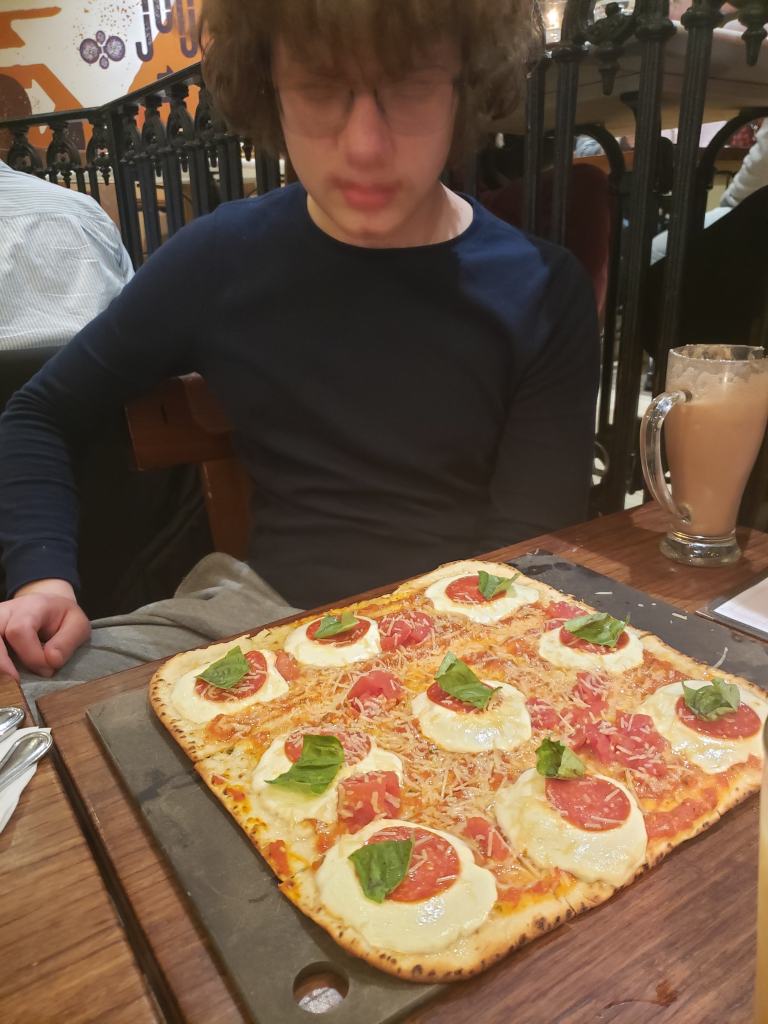
For dinner, we returned to one of our favorite eateries from 2019: Max Brenner’s restaurant at Union Square. Alex got his own pizza, and Nataliya and I shared a southwestern salad with salmon. The entrees were very good after a long day with a lot of walking, but the real star was dessert! We decided to surprise Alex with the waffle celebration so there would be a 1:1 ratio of people to waffles. Even one waffle per person was almost too much! Each waffle (strawberry, banana split, and hazelnut) was piled high with toppings, whipped cream, and ice cream. You could easily skip the main course and only eat dessert!

April 5

We usually just ate breakfast on the go, but we do recommend the Westway diner near Times Square for a proper breakfast! It was very full on a weekday morning, and there was a line out the door when we left so get there early! The service was very fast and efficient, and the menu is very extensive.

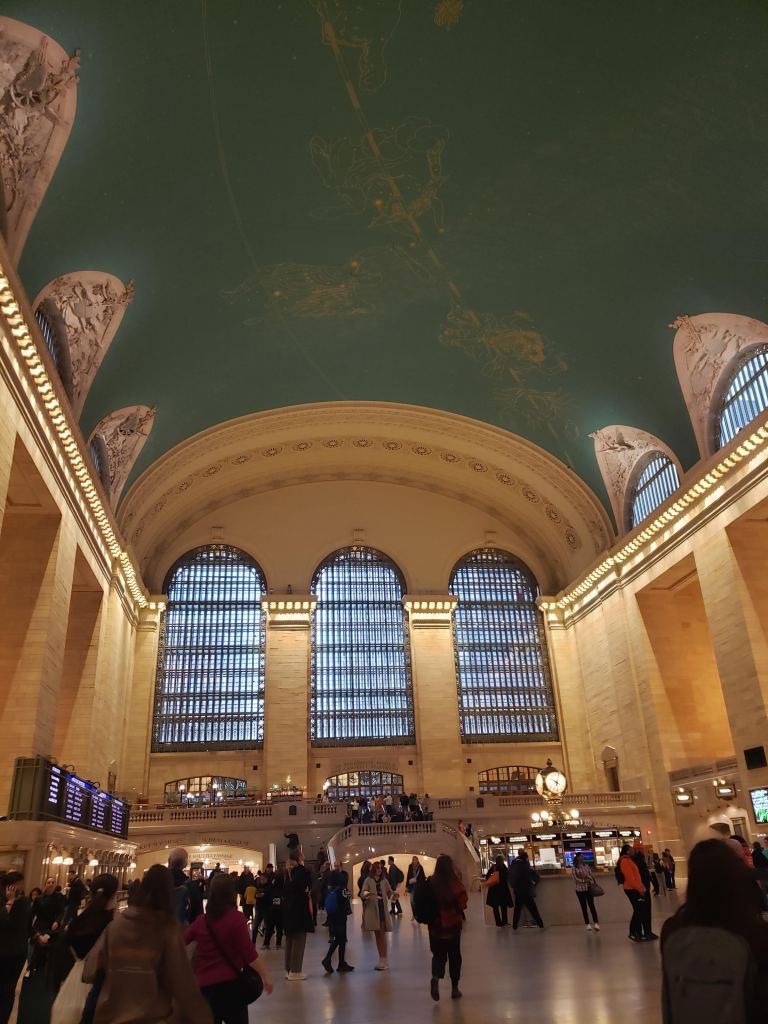
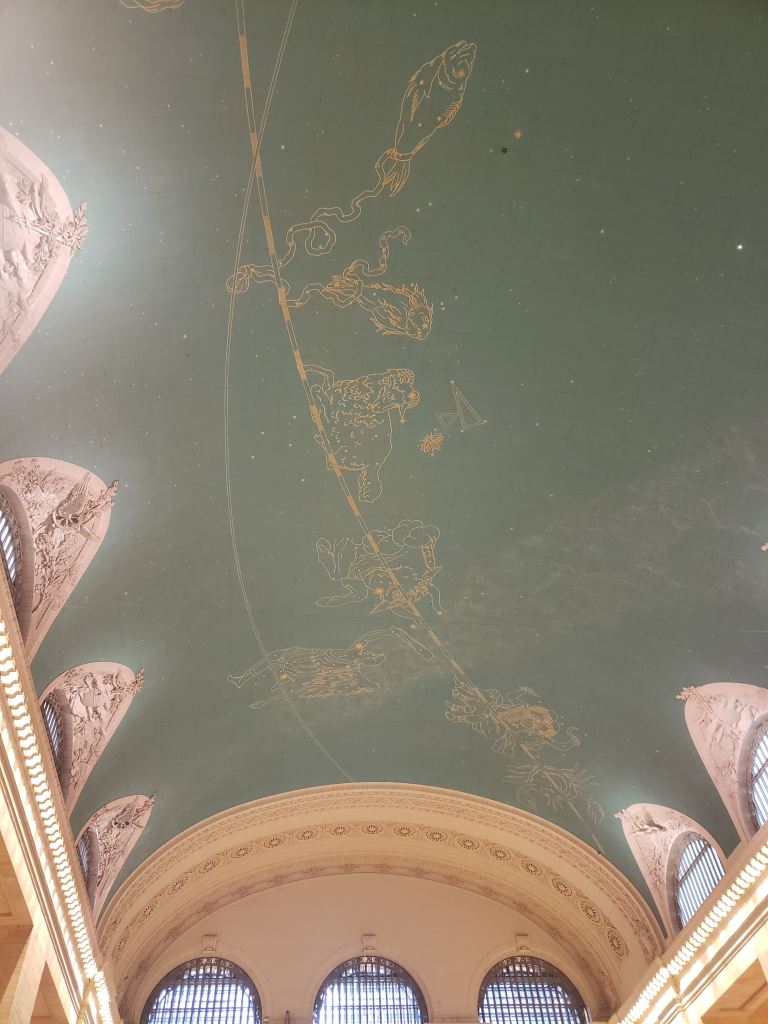
The weather was overcast and foggy, which was unfortunate since we had scheduled today to be our visit to Central Park! However, it was still a nice visit and pretty empty since it was a gloomy weekday in April. We took Alex through Grand Central to show him the classic architecture (although I was disappointed we didn’t have time to show him the Whispering Gallery). I also picked up a copy of the NY Post (a trashy tabloid I would normally never read) with a cheeky headline about Trump’s arraignment on 34 charges the day before (which turned out to be his first of many indictments so far)!

We took the subway up to Harlem and walked over to the northeastern corner of Central Park at Duke Ellington Circle. We walked around the lake formed by the Jackie Kennedy reservoir which was very pretty and quiet. By now, we were quite tired (especially Alex), so we stopped for lunch on the south side of the lake.

We hopped back on the subway briefly and got off at Lincoln Center to quickly pickup cheap “rush” tickets to an off-Broadway show at the TKTS box office. TKTS is the most popular way to get discounted tickets to Broadway shows although there are several other options available. There’s also a box office at Times Square. Alex had never seen a Broadway show before so that was definitely a  box we needed to check! We picked the comedy The Play That Goes Wrong which features a lot of slapstick humor in an amateur production of a murder mystery. The set itself also played a major role in many humorous and unexpected ways!

After an afternoon nap and dinner, we headed off to our highly anticipated off-Broadway show, The Play That Goes Wrong (TPTGW),at the New Worlds Stages in Hell’s Kitchen (which was originally a cinema multiplex). We ended up sitting on metal folding chairs in the very last row, but it was a small theater so we still had a great view. TPTGW will also be performed locally at the Cincinnati Shakespeare Company in May and June of next year (2024)– don’t miss out! I was a little skeptical about TPTGW, but I had a great time. Even the German tourists next to us laughed constantly! The same British theater company that created The Play Goes Wrong also produced a TV miniseries for the BBC called The Goes Wrong Show which offers several variations on the same theme of poorly executed theater productions. The Goes Wrong Show is also funny (albeit a bit repetitive) and available on Apple TV.

If you visit NYC in the spring or late fall, some theaters offer an even better deal on tickets than you can get for rush seats if you feel like taking a risk! Between late March and early April or late October and early November, some theaters participate in the 20 at 20 promotion which offers tickets for $20 at 20 minutes before the curtain goes up. It’s cash only at the respective box office. However, several people were waiting in line at the doors for TPTGW but certainly waited in vain since the show was sold out, so be wary!

April 6

We started off the morning with a tour ($30 per person) of the Tenement Museum down in the Lower East side. Created in 1988, the Tenement Museum tells the history of working-class people and immigrants who lived in tenements (narrow, low-rise apartment buildings). The museum offers tours of a restored tenement building as well as walking tours of the neighborhood, and you must reserve a spot in advance. Unfortunately, the original tenement building located at 97 Orchard Street (built in 1863 and abandoned for more than 50 years before being restored) was undergoing renovations when we booked our tour, but we still had a great time and learned a lot. However, the renovations are now complete so you can get the full experience!

The museum highlights the daily life of various immigrants and features several small apartments furnished according to various points in time. We took the 100 Years Apart tour which highlighted the stories of Natalie Gumpertz, a German-Jewish immigrant, in the 1880s and Mrs. Wong, a garment worker in Chinatown in the 1980s. Although the Gumpertz left comparatively few primary sources in the historical record, the tour guide did a great job of painting a picture of how the family lived. The most shocking fact was that the husband, Julius Gumpertz, disappeared after the Panic of 1873 (in other words an economic recession) sparked widespread unemployment and hardship. The tour guide said Julius’ fate was unknown, but later I found out he ended up in Cincinnati’s West End! After being legally declared dead, Julius appeared in Cincinnati public records in 1885. He listed his address in Cincinnati’s Jewish “ghetto” and listed his occupation as huckster (door-to door salesman). Fifteen years later, he entered a Jewish charitable retirement home until he died in 1924.

Since the Wong family still lives in NYC, the Tenement Museum had lots of primary sources and oral history sources. Since the museum offers so many different tours, we will definitely return and might try a neighborhood walking tour. I highly recommend including the Tenement Museum on your next NYC itinerary, especially since the renovations are complete! The Tenement Museum also served as the inspiration for a similar museum in Cincinnati called the OTR Museum.

The Tenement Museum is also located only a few blocks south of Ukrainian Village which was our next destination. Ukrainian Village was another enclave for immigrants in NYC and still retains much of that character, including restaurants, churches, and a museum. Numerous blue and yellow flags were also on display in apartment windows as well.

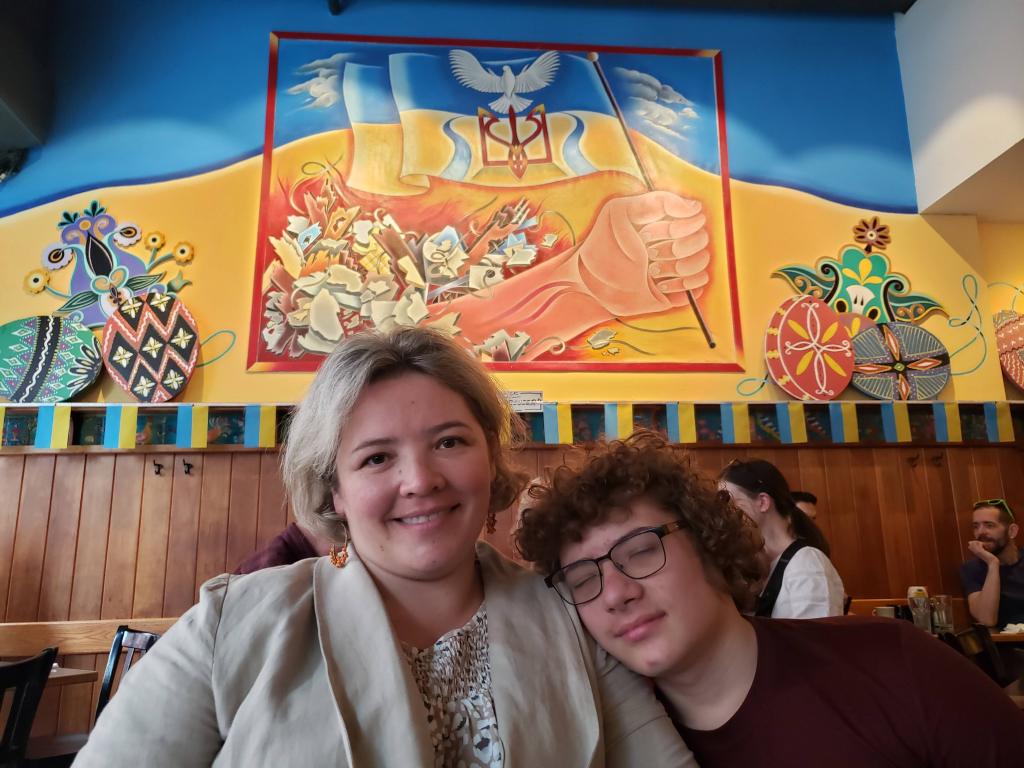
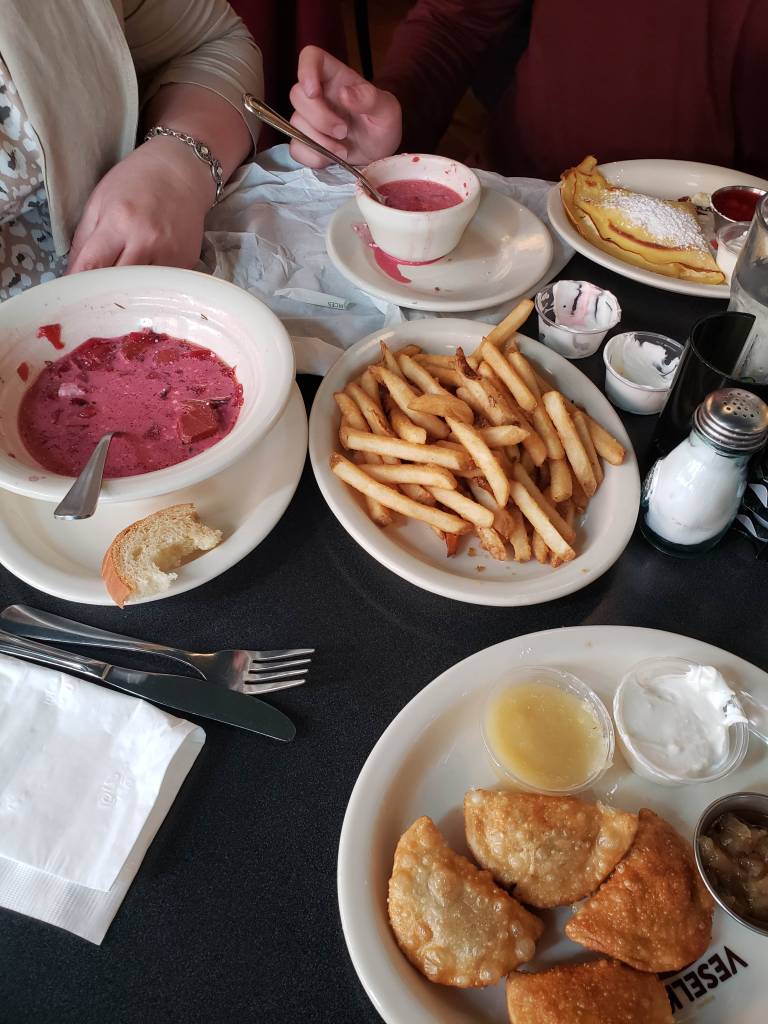
We stopped for lunch at Veselka (which means “rainbow” in Ukrainian), one of the more popular Ukrainian eateries in the area, which has been a mainstay in the neighborhood since 1954. It was very popular even on a weekday, but we managed to get a table. I ordered pan-fried pierogi (vareniki) with braised beef filling, while Nataliya and Alex ordered borscht. Nataliya said the borscht was the best she’s had in the US! The pierogi were very tasty with very generous filling, and the pan-fried version is much more crispy than the standard boiled ones.

Before heading back uptown to see The Play That Goes Wrong, we stopped at another famous eatery nearby, Russ & Daughters, which is known for its Jewish comfort food (bagels, smoked fish, etc.). Founded in 1914 by a Polish Jewish immigrant, Russ & Daughters was one of the first companies to recognize the founder’s female offspring (of which he had three) instead of sons.

On a weekday afternoon, we only had a short wait so I recommend again that you avoid the peak meal times! The store on East Houston Street is fairly small, so we waited outside until our number was called. There’s also a sit-down café nearby by the same name so don’t get confused! We had a hankering for babka, a traditional Jewish bread that is also popular in Ukraine, which is hard to find at bakeries in Cincinnati. Russ & Daughters offers a cinnamon and brown sugar option or a chocolate and coffee babka, although other variations include fruit or sweet cheese filling. We selected chocolate which was delicious and traditional challah (a twisted, sweet bread similar to brioche)! At $16 a loaf or $4 a slice, I highly recommend the babka and the challah ($9)! I would assume everything else in the store is just as tasty. You can also find stores on 34th Street or in Brooklyn. Nataliya said it was a quintessential New York experience that provided a taste of the neighborhood.

We split up briefly and I spent a couple hours chatting with Frido, a friend who lives in NYC, while Nataliya and Alex got back on the subway and went down to the World Trade Center complex to visit the observatory (starting at $39). I was happy to miss out since I’m terrified of heights. Frido (short for Fridolin) works for Deutsche Bank and transferred to NYC from Germany several years ago. We met while playing an online Star Wars role-playing game a couple of years ago. We had never met in real life, so it was great to chat in person for a while.

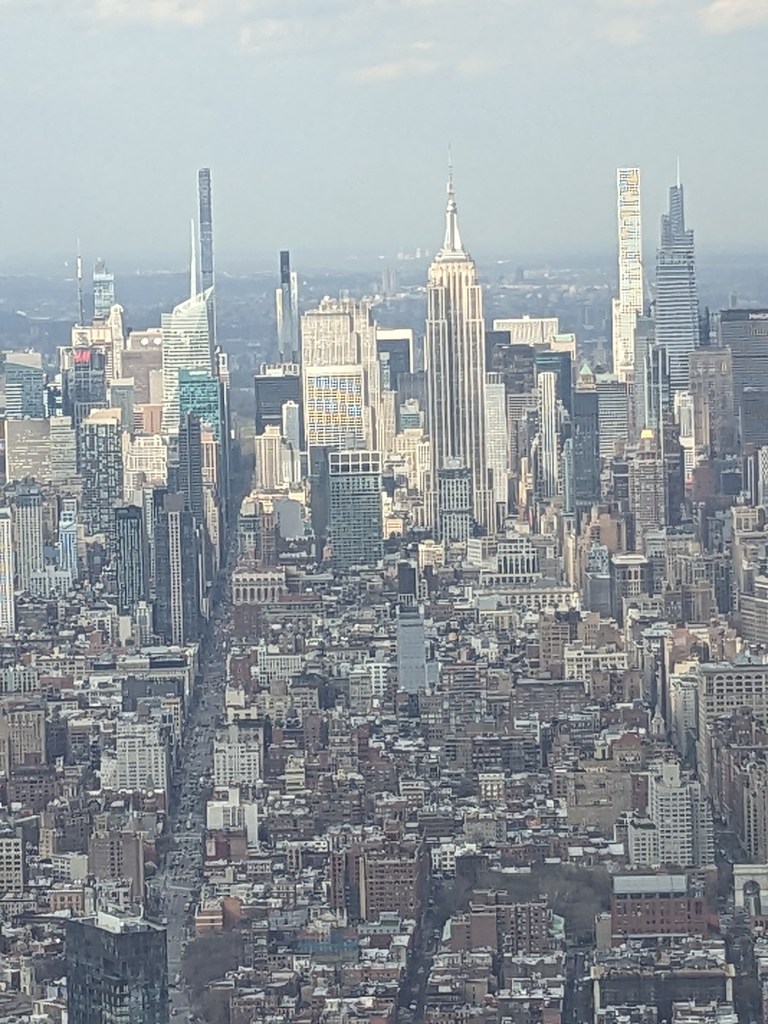
Nataliya opted for the “Combination” tickets ($49) for the observatory which included priority entry and a digital guide. The observatory is on the 100th floor and Nataliya said the elevator ride up was smooth and fast. An introductory video that explains how the New York skyline has evolved over the decades is displayed on the walls of the elevator during the ride up to the observatory. Neither Nataliya nor Alex were anxious, and Nataliya said it was a very moving experience to see the whole city. Nataliya said she is glad she paid a little extra for the priority entry and digital guide. The digital guide is loaded on a tablet and identifies various skyline landmarks. She also overheard some visitors point out condos or penthouses that celebrities owned.

A microcosm of NYC: Ukrainians, Germans, and Mexicans.

All of us met up again for dinner at Burger Joint, a no-frills hole-in-the-wall hidden behind a curtain inside the Thompson Central Park hotel. Ironically, we passed a table full of foodie bloggers inside the official hotel restaurant who were all gushing over their food and taking lots of pictures. It was quite a contrast to the Burger Joint, where the walls are covered in graffiti!

The menu is limited to hamburgers, cheeseburgers, grilled cheese sandwiches, chicken sandwiches, and plant based Beyond burgers as well as French fries and milkshakes. A burger and fries will cost about $21 which is not very expensive for NYC. Even on a weeknight, the small, cramped space was full, and we were very lucky to claim a table that would accommodate all five of us (including Frido’s wife). The burgers and shakes were great, although I would recommend trying to avoid the main lunch or dinner rushes.

April 7

We started our final day with a quick return to Hudson Yards since Alex had never been there before. Unfortunately, the iconic Vessel remains closed indefinitely, but Alex was impressed by its massive size. He also reveled in the apparent reference to a character, also named Vessel, from one of his favorite video games – Hollowknight. We also took a short walk along the High Line which Alex enjoyed as well, although it was still pretty chilly!

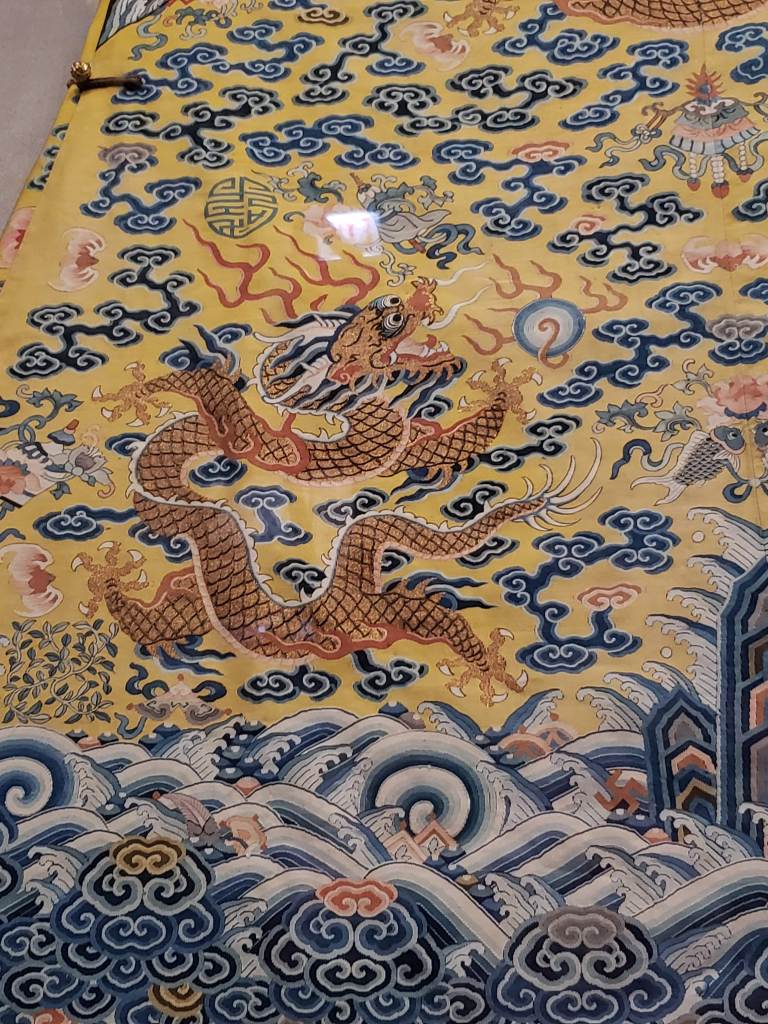
We finished off our second NYC visit with a lightning tour of the Metropolitan Museum of Art ($30 per person)! We dashed through the ancient Egyptian collection and the medieval arms and armor section, which were both very impressive! We merely scratched the surface after only a few hours, and I look forward to returning on a future trip for a more leisurely and thorough tour. A nearly complete ancient Egyptian temple was one of the most impressive pieces. Completed while Egypt was part of the Roman Empire (approximately 10 BCE), the Egyptian government built new dams on the Nile River that threatened to flood the temple in the 1960s. The Egyptians gave it to the United States in 1967 and President Lyndon Johnson asked the Met to display it.

The Met has a smaller subsidiary that I’d also love to visit on a future trip – the Cloisters. Unfortunately, the Cloisters are located in the Washington Heights section of Upper Manhattan, so it was a little too far out of the way on my previous trips. Ruthless businessman John D. Rockefeller bought parts of several French and Spanish monasteries and had them shipped and reassembled in Washington Heights piece by piece. The Cloisters house many medieval art pieces Rockefeller that also bought from sculptor George Grey Barnard. The Cloisters opened to the public in 1938 and is also known for its gardens.

Nataliya would like to attend an opera at the Metropolitan, which I think would be fun as well. Nataliya has seen some of the performances that have been broadcast at movie theaters but says it doesn’t compare to the real thing!

Here’s one final tip. If you plan to visit a lot of popular attractions in NYC, especially museums, then it’s probably worth considering a pass that gives you access to many destinations at a discount. There are several options to choose from such as CityPass (starting at $96 per person). If you plan on visiting the Empire State Building observatory, then CityPass could be a real money-saver. The “main deck” observatory on the 86th floor of the ESB is $44 per person while the “top deck” observatory on the 102nd floor is $79. We decided against the CityPass since we have already visited some of the attractions on previous trips, but it could be very convenient for your first trip.

Beignet Taste Test: December 2022

Instead of just letting the good times roll in New Orleans during our holiday vacation, we almost overcommitted ourselves with a full itinerary! At my new job, I can only carry over sick time from one calendar year to the next but not any vacation/PTO. I had a few days left at the end of 2022, and Nataliya wanted to go somewhere warm for a few days while Alex was with his dad for the holidays.

There aren’t many direct flights from Cincinnati anymore and most of the southern destinations are in Florida (which we had visited earlier in 2022).New Orleans seemed like the best fit, and Nataliya had never been (although I had visited in 2017 after I was diagnosed with cancer). We were able to squeeze a three-day trip in between Christmas and New Year’s.

Monday: December 26, 2022

We caught an early morning flight with Allegiant (about $300 per person round trip), and we had to run for it once we got through security! The flight itself was timely and smooth, and we landed around 8 am local time so could enjoy an entire day in New Orleans (several pronunciations are correct but NOT “Nawlins” although it is common in pop culture).

We hired a Lyft ride to our room at the Grenoble House on Dauphine Street in the French Quarter ($150 a night). We were a block away from the infamous Bourbon Street, so it was relatively quiet at night. I though it might be less busy since it was in between Christmas and New Year’s, but boy was I wrong! Even though the official check-in time was 3 pm, the concierge let us put our bags in the room when we arrived at 9 am. Our room had a picture by local artist George Rodriquez of his famous “Blue Dog” (also known as the Loup Garou – French for werewolf), which we later encountered at the art museum’s outdoor exhibit. The room was spacious, quiet, and well appointed. The Grenoble House also has a “European” policy that requires you to turn in your key whenever you leave and pick it up from the concierge when you return.

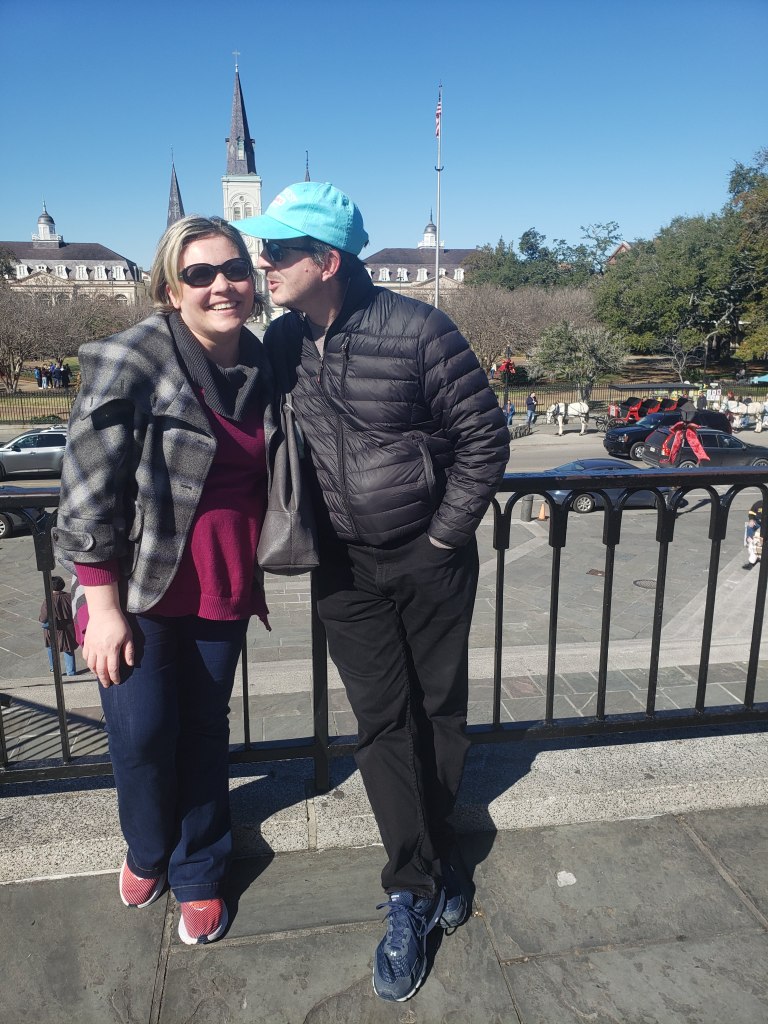
We immediately headed out towards Jackson Square and posed for some pictures at Washington Artillery Park, which was still adorned with a large Christmas tree. Jackson Square is the site of the former military parade grounds during the colonial era and is named for the statue of President Andrew Jackson (who was made famous by his victory at the Battle of New Orleans in 1815) located there. The statue weights 15 tons and was cast in 1852. The square also includes four Spanish cannons captured by American troops. The square hosts various performers and vendors. Since the line was very long every day, we skipped the famous Café du Monde until right before we boarded our return flight to Cincinnati.

Other important landmarks at the square include the Cablido, Presbytere, and St. Louis Cathedral. Built between 1795 and 1799 during the Spanish colonial era (1762-1803), the Cabildo (translated as “town hall”) was the seat of government. After the Louisiana Purchase, it housed the state Supreme Court until it became a museum in 1908 (admission is $10).

The St. Louis Cathedral was originally constructed in 1727 but burned down in the devastating fire of 1788. The current church was completed in 1794 and survived another devastating fire that year.

Construction of the Presbytere began in 1791 as a residence for Capuchin monks but the second floor remained incomplete until 1813. It became a courthouse in 1834 and also became a museum in 1911 (admission $7). New Orleans is home to a number of other interesting museums, including the famous National World War II Museum (which I had visited previously).

After Jackson Square, we explored the French Market, which houses various food stalls and artistic vendors, and ate lunch. The site has served as a market since 1791, but the oldest buildings date to 1813 after becoming American territory (1803).

In the afternoon, we took a French Quarter walking tour organized by the Friends of the Cabildo, a non-profit group that supports the Louisiana museum system. Our tour lasted about two hours and focused on the varied architecture of the French Quarter. Tours are available at 10:30 am and 1:30 pm daily at a cost of $25 per person. The Friends also offer many other tours that focus on the Battle of New Orleans and other neighborhoods, such as the Tremé (featured in the HBO series of the same name from 2010-2013). The Friends also host film screenings, lectures, and concerts. I joined the Friends after my previous trip since many of their lectures are also available over the internet. The fee is $55 per year for a family and includes free museum admission and tickets for a walking tour. It’s a great deal and helps support the museums.

I’m not much of an architectural expert, but the French Quarter walking tour was very informative. Our guide was very personable, and he explained that, due to the fires of 1788 and 1794, there are hardly any original French colonial buildings left in the French Quarter. In fact, most of them were built during the Spanish and American eras. The highlights include Creole Cottages (a single-story blend of Caribbean and French-Canadian design), Creole Townhouses (multi-story mixed use structures built in the Spanish style after the fires), and shotgun houses. We stopped for our first of several beignet tastings at Café Beignet. The beignets made a good first impression (drizzled with chocolate sauce), but we still had several competitors to sample.

Tuesday: December 27, 2022

We woke up and had an early breakfast at Café Conti around the corner (located in the Prince Conti Hotel). It has a full brunch menu on the weekends but a more limited selection on weekdays, such as muffins, yogurt, etc. However, it was quick and convenient which makes it an excellent option in the north/western part of the French Quarter.

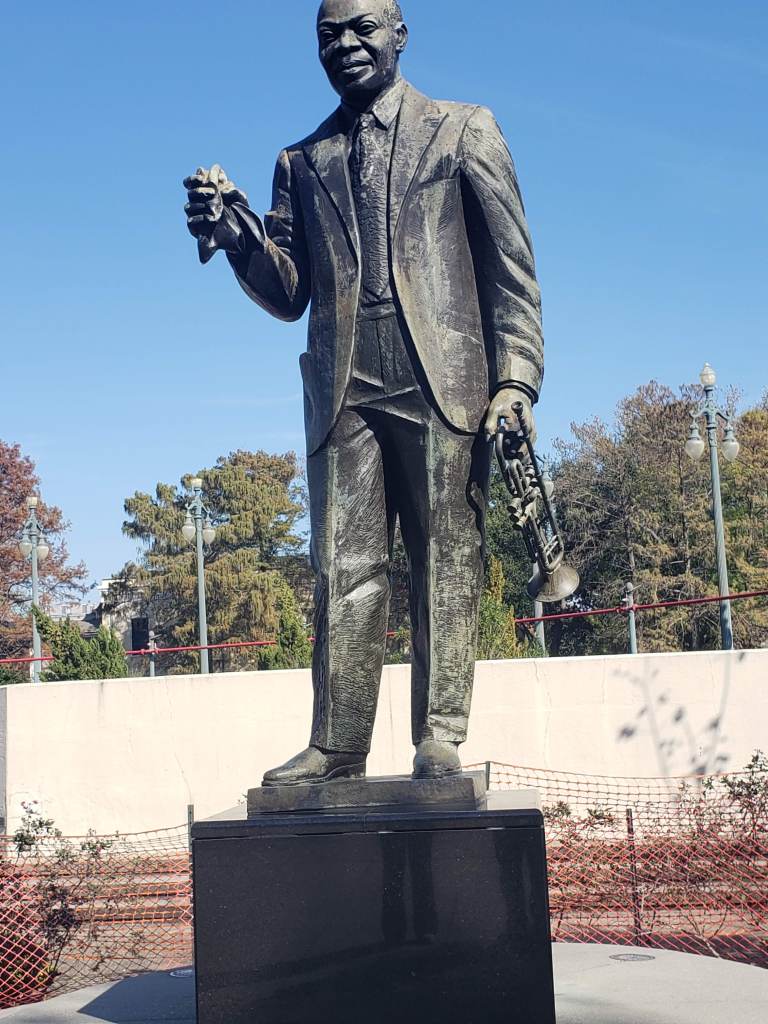
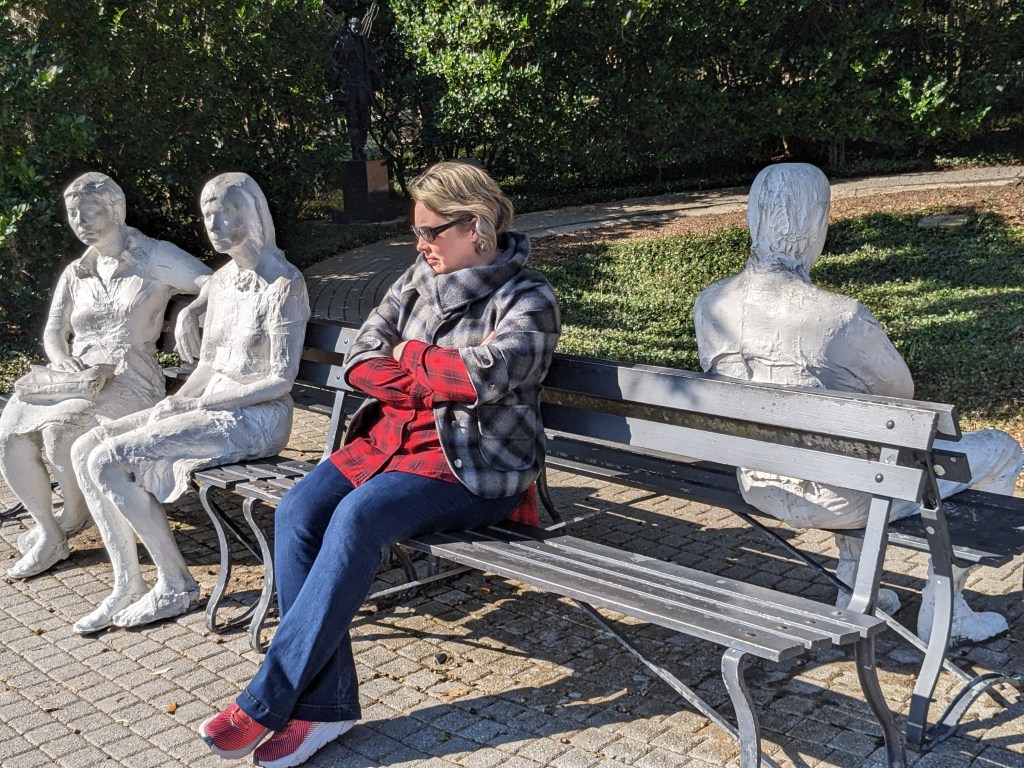
Our first destination was the Louis Armstrong Park (Congo Square), which was only four blocks north. It contains some very interesting sculptures that honor Louis Armstrong and the musical heritage of Congo Square. The site is known as the “birthplace of jazz” thanks to the cultural influence of African slaves who met there to dance and play music during the colonial era and afterwards. The park was created in 1980 and includes the Municipal Auditorium, Mahalia Jackson Theater, and the New Orleans Jazz National Historical Park.

Built in 1930, the Municipal Auditorium seated 7,850 and was a popular venue for concerts and sporting events. However, it was badly damaged by Hurricane Katrina in 2005 and has never reopened. It’s a shame to see such a majestic structure become covered in graffiti. However, there is a $47 million plan to restore the auditorium to its former magnificence which is long overdue!

The theater is named for gospel singer Mahalia Jackson and opened in 1973. It seats 2,100 and was also damaged by Hurricane Katrina. However, it reopened in 2009 and is hosts ballet, opera, and Broadway productions. Unlike the old Municipal Auditorium, the Jackson theater’s architecture is rather plain and unappealing.

The Jazz National Historical Park was created in 1994 and the centerpiece is Perseverance Hall No. 4, a Masonic lodge from the early 1800s. Perseverance Hall is historically significant since it hosted dances where early jazz bands performed to both white and black audiences. It was placed on the National Register of Historic Places in 1973, but has not seen much use since 2018, which is also a shame! WWOZ 90.7 FM, a non-commercial jazz and blues station, also broadcast from the former Perseverance Hall commissary from 1980-2005. The building became known as the “treehouse studio” since it was surrounded by oak trees. After Hurricane Katrina, WWOZ relocated near the French Market.

The Jazz National Historical Park hosts concerts periodically, but I’d like to see the city do more to preserve its cultural legacy besides just letting the building sit empty most of the time! The beautiful Municipal Auditorium deserves to be more than an eyesore as well. It seems hard to believe that the damage from Hurricane Katrina still lingers nearly 20 years after the disaster.

Next, we boarded a New Orleans Regional Transit Authority (NORTA) bus towards the New Orleans City Park, which includes the art museum. We had purchased a three-day Jazzy Pass for $8 through NORTA’s Le Pass mobile app. It’s a great deal and easy to use. You can also use it to ride the trolley which Nataliya eagerly anticipated!

The 1,300-acre City Park offers numerous attractions and activities including: a botanical garden, amusement park, and a putt-putt golf course. A secret tip for tourists is that the park also features a Café du Monde location which is rarely busy (as opposed to the Jackson Square location).

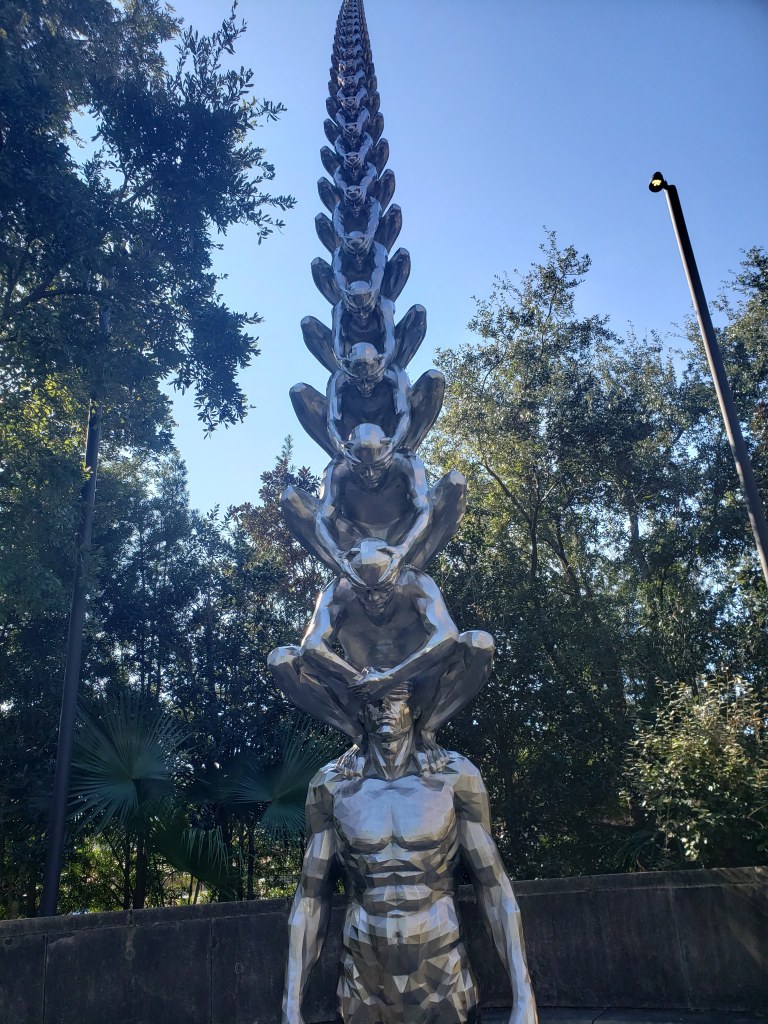
We toured the sculpture garden but didn’t visit the museum since we already had a full itinerary. The garden features a wide variety of sculptures from artists around the world, including the ubiquitous Blue Dog. If you can escape the French Quarter, I highly recommend a visit to City Park, with the aptly named Big Lake.

We grabbed lunch at MOPHO, a Vietnamese fusion restaurant near the park. The menu includes Paprika curry shrimp and grits along with Vindaloo barbeque, but we opted to share a huge bowl of chicken pho (soup). Although I love our local Cincinnati Pho Lang Tang, MOPHO’s broth was very flavorful!

We headed back to the French Quarter for our first chance to slow down and take a nap back at the hotel. This ended up being our only real chance to rest and relax during our fun-filled trip!

After some much needed R&R, we had a very nice dinner at Muriel’s on Jackson Square (recommended by our tour guide on Monday). The building has served many different functions during the last 200 years, and the restaurant opened in 2001. The building is said to be haunted by the ghost of a man who killed himself there in 1814 after gambling away his house. The restaurant has a room called the Séance Lounge where the ghost is thought to reside and always keeps a table reserved for him (set with bread and wine). The ghost has been said to knock on walls and occasionally throw glasses into the air. For dinner, Nataliya and I shared the roast duck with rice pilaf, haricot verts, and a deliciously tart cherry sauce.

Wednesday: December 28, 2022

Today was the six-year anniversary of my cancer diagnosis, although we were so busy that I don’t think I realized it until we arrived back in Cincinnati the next day. I have been extremely fortunate to be mostly in good health for the last six years and doubly fortunate to travel so much with someone I love!

On our last day in the Crescent City, Nataliya checked several of her top priorities off our list of activities. Since we began planning the trip, Nataliya was eager to ride one of the streetcar trolleys, which were similar to the trams in her native Ukraine. The first horse-drawn streetcars date in New Orleans date back to the 1830s, and the first electrified trolleys were introduced in 1893. After the 1920s, buses began to replace the streetcars, and they had nearly disappeared from New Orleans by the 1960s. Preservationists lobbied to reintroduce the historic streetcars during the 1980s and four transit routes currently use trolleys. Nataliya and I got to ride on one of the historic green 1923 model streetcars as we headed to the Garden District for another architectural tour. Beware, the trolleys are extremely popular with tourists so there can be long lines. Sometimes trolleys are too full to accept new passengers, as happened on our return trip.

The New Orleans streetcar system was made famous by author Tennessee Williams’ 1947 play A Streetcar Named Desire which became an acclaimed movie in 1951. The title came from a streetcar line that existed at the time in the French Quarter but is now defunct.

Nataliya was eager to see some of the beautiful homes of the Garden District and also wanted to visit an iconic cemetery. Tours by Steven seemed to offer just the right thing ($30 per adult) by combing both. However, in the small print the website explains that the cemetery is closed to the public so we could only see it from the gate.

Our tour guide was again very knowledgeable and charismatic. It was an informative and interesting tour that highlighted the architectural history of the elegant neighborhood.

A couple of the most interesting locations include the mansion of Colonel Short and the home of author Anne Rice. Colonel Short built his Italian Renaissance style mansion on Fourth Street shortly before the Civil War. It was seized by federal forces when they occupied the city in 1862, and it underwent a decade-long restoration from the 2000s to 2010s. One of the mansion’s most famous features is its cornstalk themed iron fence, supposedly to placate the colonel’s wife who pined for her native Iowa.

The Brevard-Rice House on First Street was built in the Greek Revival style in 1857. Anne Rice bought the house, which is said to be haunted, in 1989 and lived there until 2004. Other notable locations included houses owned by the Manning family (of football fame), actor John Goodman, and actress Sandra Bullock. The Garden District is home to many other famous properties.

At the end, we learned a little about the history of Lafayette Cemetery No. 1 and peered in through the gate, although Nataliya was a little disappointed we couldn’t go inside. There are about 1,100 family tombs in the cemetery and 500 wall vaults. The cemetery was originally located in the suburban town of Lafayette which was eventually annexed by the City of New Orleans. The vaults can house the remains of several generations of family members. The cemetery served as the inspiration for Anne Rice’s Mayfair witches in her novel The Witching Hour (1990) and has been featured in several films, including Double Jeopardy (1999) and Dracula 2000 (2000).

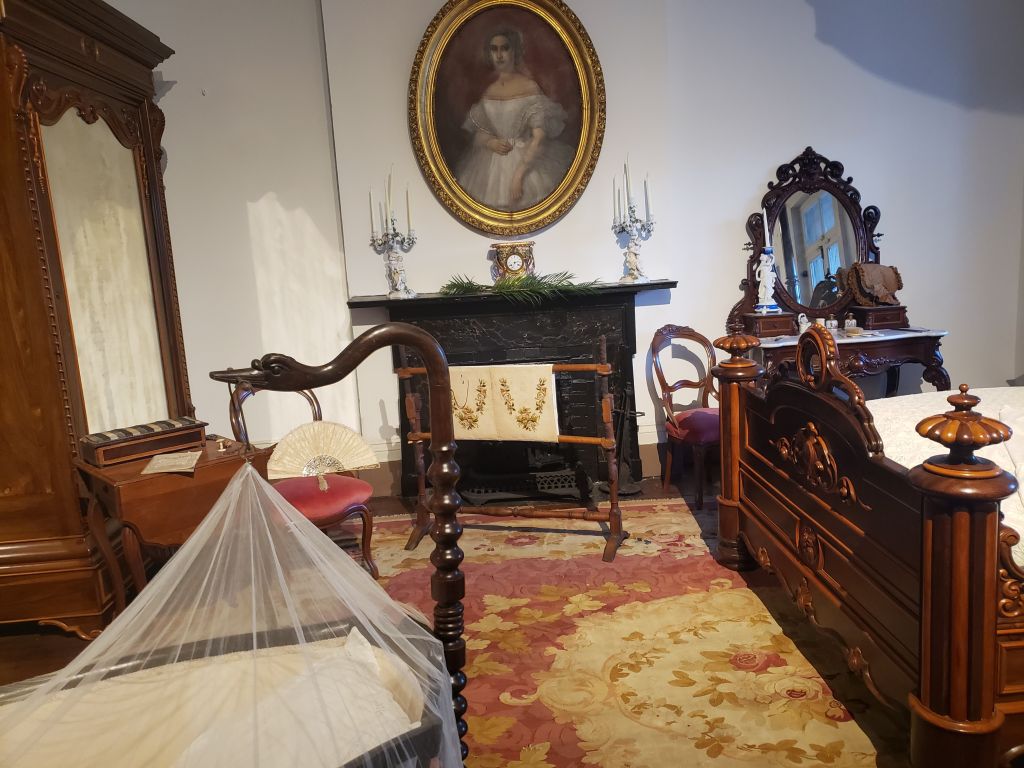
We went home for a brief lunch and siesta before visiting the 1850 House museum on Jackson Square. Admission is normally $5 per person, but we received complimentary tickets as part of our French Quarter walking tour package on Monday. The building was constructed in 1850 by the Baroness Micaela Almonester de Pontalba, and it eventually became a museum in 1948. It is furnished to represent how an affluent upper-middle class family would have lived in the decade before the Civil War. When we visited, there were several knowledgeable historical interpreters who were dressed in period clothes and provided thorough answers to Nataliya’s questions. It wasn’t very busy and provided a lot of interesting information about the Pontalba family’s influence on the history of New Orleans, including their sponsorship of the St. Louis Cathedral, Presbytere, and Cabildo. It’s certainly easy to overlook it but there’s no excuse to pass it up if you’re already at Jackson Square.

The museum only occupies a portion of the Pontalba building on Jackson Square which includes a number of apartments owned by the city. Author Truman Capote describes the apartments as “the oldest, in some ways most somberly elegant, apartment houses in America” in a short story titled “Hidden Gardens.” Although they rent for between $2,800 and $4,650 per month, it’s easy to see why there is a long waiting list of 150+ applicants eager to live there.

We stopped for a snack Loretta’s Pralines in the French Market for another beignet sample. Loretta’s offers a variety of stuffed beignets, but some types are seasonal and a few others were out of stock. We decided to try the chocolate filled beignets which were tasty but quite different from traditional beignets since they are usually on the lighter and fluffier side. Loretta’s were much denser since they use wet dough as opposed to the traditional yeast dough. However, if you’re not a beignet purist, I suggest you give it a try. Next time, I’d like to try some filled with peanut butter or blue crab!

We finished off the night with a dinner cruise on the Creole Queen paddleboat ($95 per person). The Creole Queen departs at 7 pm, so we had tried to book an earlier cruise (6 pm) on the rival steamboat Natchez. But it was already sold out so don’t wait until the last minute. The Creole Queen offers daytime cruises ($59 with lunch or $39 without lunch) and Sunday jazz brunch options too ($65 per person). The dinner menu included salad, gumbo (which Nataliya eagerly anticipated), jambalaya, baked chicken, roast beef, red beans and rice, various other side dishes, and white chocolate bread pudding for dessert (unfortunately I only had a small bite since it was soaked in whiskey sauce). There was a jazz band that played throughout the night which was our first musical experience in the trip. The performance was pleasant and included New Orleans staples such as “When the Saints Go Marching In.” The food and music were both enjoyable, but I’d love to time for more live music on our next trip!

Thursday: December 29, 2022

We managed to squeeze in one last taste of New Orleans (literally) before heading home: the airport terminal location of Café du Monde. We saved the most iconic for last with a traditional order of light and crispy beignets. Overall, Café du Monde won our taste test.

However, one of my aspirations this trip remained unattainable: seeing the iconic Preservation Hall jazz band perform! Since 1961, the venue has worked to preserve the musical traditions of New Orleans and has become one of the most famous music halls in the Crescent City (so named because of the city’s location on a sharp bend in the Mississippi River). Preservation Hall features three house bands: the brass, All Stars, and Legacy groups. Even on weekdays in between to major holidays, the tickets were sold out ($25-40) for all four nightly shows (5, 6:15, 7:30, and 8:45 pm). Hopefully, I’ll be back soon and get another chance!

I’ve also never experienced Mardi Gras in New Orleans – the closest I’ve been is the Mardi Gras parade at Universal Studios. Unless a new medication is discovered to treat my cancer, I’m resigned to the fact I’ll be sober every time I try to laissez le bon temps roulez. But it still might be fun to see New Orleans at its most vibrant! New Orleans is still one of the most exciting cities in America – the food, music, culture, and history are all outstanding!

Postscript

We also had fun a few weeks later at the Alliance Francaise’s Mardi Gras Celebration at Brew River. The event included a buffet and live music by local New Orleans jazz band Lagniappe (translates as “a little something extra”). The jambalaya and chicken were both flavorful although not overly spicy. Nataliya enjoys the Left My Heart in Nola cocktail with pineapple juice, lime juice, simply syrup, vanilla vodka and a marshmallow heart as garnish. I also had the chance to partake in a non-alcoholic “mocktail,” which are becoming increasingly popular. It had cranberry juice, pineapple juice, and Sprite, which made it my ideal drink, since I also try to avoid caffeine late at night. For the last few years, Brew River has been one of our staple date night destinations since they frequently host one of my other favorite local musicians, pianist Ricky Nye. The chefs worked under Emeril Lagasse in New Orleans, and they have really captured the flavor and attitude of the Crescent City (in some ways better than a water-down version at a tourist trap).

Michigan Blitz: June, 2021

This travel article is long overdue, but the trip was memorable since it was our first real vacation (aside from some hiking trips) after the worst of COVID-19. I like to refer to it as the Michigan Blitz (German for lightning) since we drove along most of the state’s coastline in just a few days!

We left after work on Friday (June 11, 2021) but were bogged down in heavy traffic almost immediately. We drove to Indianapolis and then took US 31 north until we arrived at the tourist town of Grand Haven on the coast of Lake Michigan. By the time we arrived at our accommodation, the Boyden House Bed & Breakfast, it was around midnight! We crawled into our beds exhausted after more than seven hours on the road! We stayed in Amber’s Room for $150 a night which included breakfast. In the morning, we could take in the full beauty and character of this historic 1872 house.

Saturday – June 12, 2021

We woke up very well rested from our tiring trek on Friday night and had a delicious breakfast of ham, decadent French toast, and fresh strawberries. We took a short tour of the Boyden House and relaxed on our balcony for a few minutes before heading out for a fun-filled day.

The boardwalk in Grand Haven was our first stop. This scenic promenade follows the Grand River for 1.5 miles before it empties into Lake Michigan. There are numerous shops and snack stands along the way as well as some interesting public art. It culminates at the South Pier with its bright red lighthouse (built in 1839). There’s also a small white sand beach adjacent to the pier as well. Even though we were there in June, the cool breeze from the lake meant our entire trip was very pleasant.

With more than 3,200 miles of shoreline, Michigan is home to more than 120 lighthouses, and we would stop at several more along the way!

We ate lunch at a sandwich shop in Grand Haven before hitting the road to continue our lighting tour of Michigan. While heading north, we stopped at the Point Betsie Lighthouse which was built in 1858. It was the last lighthouse on Lake Michigan to be automated in 1983. Admission is $5 per adult and includes several small exhibits; however, Nataliya and I were in a hurry, so we took a couple photos outside before continuing north. There’s no parking available, so avoid getting stuck when you park on the sandy shoulder.

Our next stop was Sleeping Bear Dunes in the northwest tip of the state (about two hours from Grand Haven). The sand dunes, which are more than 100 feet tall, are the main attraction. Once towering more than 230 feet, the dunes have eroded over time although they are still an impressive sight to see. It can be a challenging climb, so you need good shoes (not flipflops) and water. The ridge offers a nice view of the surrounding area, which was enough for me.

On the other hand, Nataliya decided to continue on towards the shoreline; unbeknownst to her, the dunes are actually more than three miles inland. The trek can take up to four hours roundtrip, but looks can be deceiving since you can’t see beyond the next sand dune ridge. Nataliya turned back after 40 minutes, but we did drive to an overlook to see the shoreline.

If you do make the trek to the shoreline (by foot or car), it might be a good idea to savor the view of Lake Michigan from the last ridge. Otherwise, it’s a very steep descent down to the water and a very strenuous climb back up. Sometimes trekkers are stranded at the bottom and can only be evacuated by a costly $3,000 water rescue service.

The name Sleeping Bear Dunes is somewhat misleading because the dunes (classified as “perched” dunes) are actually just a thin layer of sand that the wind has deposited on top of large pre-existing hills and cliffs. Now relatively bare of vegetation, the Sleeping Bear Dunes were once covered with plants.

The dunes were named for the Mother Bear story of the Ottawa and Ojibwa tribes which were native the region. The story describes how the Great Spirit created two nearby islands (North and South Manitou islands) to commemorate two bear cubs which drowned in the lake. The park was created by Congress in 1970 as part of an effort to preserve the nation’s “third coast.”

Although it had already been a long day, we drove another 90 minutes east to reach our next accommodation at the Breezy Hill Farm in Bellaire. We booked the Empire Room with a British colonial theme for $155 which also included breakfast. Behind the house there are several pens with goats and chickens who all eagerly accept treats from guests. It was a quiet and charming location with a picturesque tree-lined driveway.

Sunday – June 13, 2021

We woke up with another tasty breakfast using seasonal local ingredients, including eggs and a vegetable salad. From Bellaire, we back-tracked one hour west to Traverse City where we took a tour of the old Traverse City State Hospital. Established as a psychiatric hospital in 1885, the facility also included a farm to foster self-sufficiency. The doctors believed in the “beauty as therapy” method which hoped that a pleasant environment would uplift the patients emotionally. The architecture is in the style of the Kirkbride Plan – a design often used for asylums in the 1800s which emphasized natural light and air circulation.

The hospital was listed on the National Register of Historic Places in 1978 but ceased operations in 1989. The property fell disrepair until efforts to redevelop the facility for residential and commercial use began in 2000. The historic hospital now features affordable housing apartments, numerous shops, and several eateries.

We signed up for a two-hour tour ($30 per person) of the unrenovated buildings and an underground brick steam tunnel that heated the main building. Tours are available on Fridays at 3 pm, Saturdays at 11 am and 2 pm, and Sundays at 1 pm.

Our guide was very passionate, but his description of how patients were lobotomized was much too graphic for my taste. In addition, he tried very hard to convince us that spirits inhabited the steam tunnel! Nevertheless, it was still a fun activity, and I recommend it to anyone who visits the area.

After grabbing a quick lunch, we then headed back north again to Charlevoix for more lighthouses and unique architecture! The Charlevoix lighthouse was built in 1885 and is still maintained by the Coast Guard and the Charlevoix Historical Society. In 1929, the lighthouse keeper used a foghorn to guide three automobiles across the frozen Lake Michigan from an island 40 miles offshore.

In addition, Charlevoix is home to more than 25 unique “gnome” houses built by architect Earl Young between the 1930s and 1950s. Although he studied architecture briefly at the University of Michigan, he did not receive a degree. They are an interesting and unexpected addition to another charming little coastal village.

We also visited the beach and ate dinner before getting back in the car to drive another hour to Mackinaw City (pronounced Mack-in-awe by early French settlers) in the very northern tip of Michigan. We stayed at the Mackinaw Beach and Bay Inn Suites ($110 per night). We had a beach-view room and arrived in time to see the beautiful sunset!

Monday – June 14, 2021

We took the ferry to Mackinac Island (also pronounced Mack-in-awe) in the morning. Shepler’s Ferry offers departures every 30 minutes during the summer vacation season with round trip tickets costing $34 per adult. Complimentary parking is available, and the trip takes about 15 or 20 minutes. Our trip was very smooth and pleasant. Cars aren’t allowed on Mackinac Island, but you can bring a bicycle or rent one on the island. Make sure you don’t miss the last departure (usually around 9:30 pm) from the island unless you have overnight accommodations like we did!

The island name comes from the Native American words for Great Turtle (since the island looks like one rising out of Lake Huron). Most facilities on the island are only open for the tourist season from May to October. Arriving on a weekend in June, the island was very busy despite the continued prevalence of COVID-19. If you love fudge, you’re in for a treat, because there are about a half-dozen fudge shops in the small commercial district on the island.

There are numerous options for horse-drawn carriage tours of the island, and we signed up for one after arriving (about $40 per adult for 2 hours). Our driver was very knowledgeable and friendly, and my favorite part of the tour was Arch Rock (although it can also be reached by bicycle or on foot). The arch formed about 4,000 years ago when the waters of Lake Huron began to erode the shore. Eventually, the center of the arch began to crumble and collapse while the firm limestone arch remained.

However, visiting Fort Mackinac was my favorite activity of the day ($15.50 per adult). Between 1780 and 1781, British soldiers built the fort but transferred it to American troops after the Revolutionary War. However, the British recaptured the fort during the War of 1812 without firing a shot. American forces tried to recapture it in 1814 but failed. After agreeing to a peace treaty later that year, American forces reoccupied the fort. As peace between the US and Canada continued, the fort was eventually decommissioned in 1895 and became a park.

The fort is very well maintained and includes a number of exhibits about life at the compound. It offers a commanding view of the town and the lake. There’s also a small café that offers soups, salads, and sandwiches. The highlight was seeing reenactors load and fire the cannon (which you can fire yourself for a donation of $75).

Our last stop of the day was Nataliya’s favorite event – high tea at the Grand Hotel ($65 per adult plus $10 admission if not a hotel guest). The Grand Hotel is the premier accommodation on the island and the price reflects that ($950+ a night)! There’s also a dress code: no midriff-baring tops, sweatpants, or cut-off shorts for women and no sleeveless shirts, sweatpants, or cut-off shorts for men. When the Grand Hotel opened in 1887, the nightly rate was $3 to $5 per room (about $94-$156 today). The hotel was featured in the 1947 musical comedy film This Time for Keeps and the 1980 romance Somewhere in Time.

The high tea service includes pastries, finger sandwiches, scones, and either tea, sherry, or champagne. Inadvertently, I was served sherry although have been a teetotaler ever since I went on my oncology medication more than six years ago! The wait staff apologized and replaced it with tea promptly. Everything was tasty and the environment was very posh. We also sat in the rocking chairs on the porch (supposedly the longest in the world at 660 feet) to take in the lakeview and lavish flower gardens before heading to our accommodation for the night, Pine Cottage ($250 per night).

After a quick nap at Pine Cottage, we went back “downtown” for an after-hours ghost tour (about $20 per adult). Nataliya thought it would be fun to try, and our guide was also very enthusiastic. However, a few of the other tourists were quite drunk and gave him a hard time. It was interesting to learn some more about the island’s history even though I don’t put much stock in ghost stories. If you’re not staying on the island overnight, you’ll probably have to skip the ghost tour since the last ferry leaves at 9:30 pm and tickets for the ghost tour are usually non-refundable!
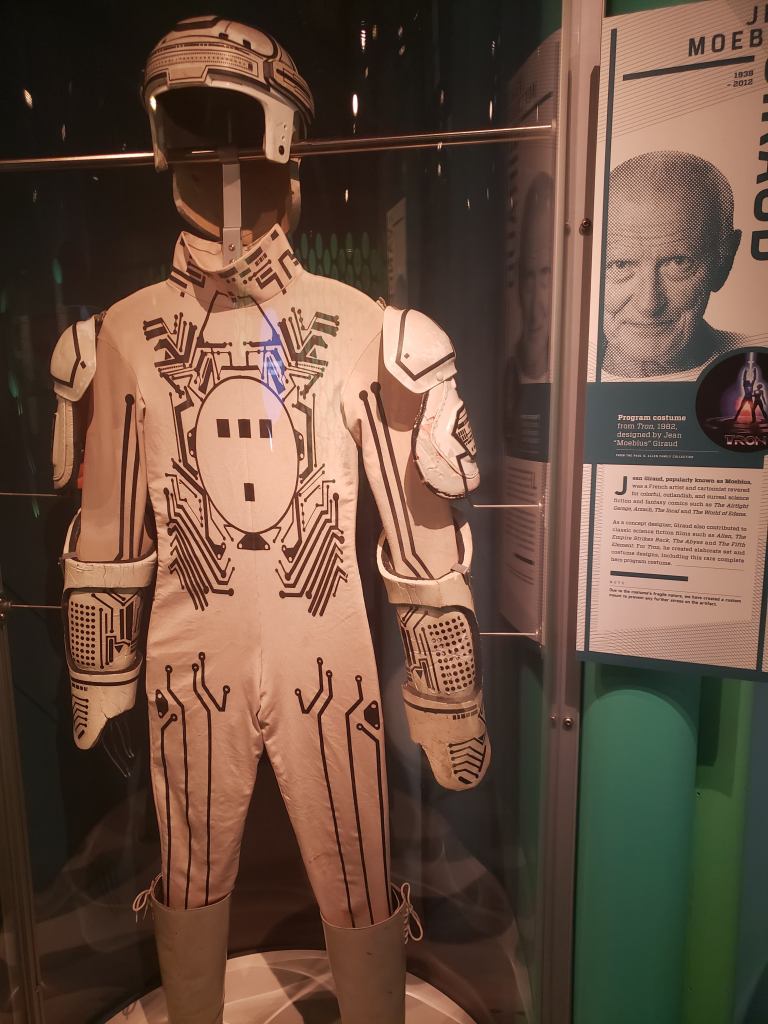
Tuesday: June 15, 2021

We took the ferry back to the mainland and grabbed a quick breakfast before making one last stop at the Old Mackinac Point Lighthouse (admission $9.75 per adult) before heading out of town. The lighthouse was built in 1889 and includes several exhibits and a short documentary about shipwrecks in the Straits of Mackinac. Costumed interpreters also give a demonstration of the fog whistle, although we didn’t stay long enough to experience it. The “Mighty Mac” suspension bridge towers over the old lighthouse and spans nearly five miles over the Straits to connect with the Upper Peninsula.

We finally hit the road and arrived back home about seven hours later after putting more than 1,000 miles on our car in just five days! We had a lot of fun but definitely needed to recuperate from our lighting tour of Michigan when we arrived home. Next time, I’d prefer to spend less time driving and more time relaxing in just one or two spots. The Michigan coast is very cool in the summer and is a lot closer than Myrtle Beach! I urge you to give it a try even if you view the state as a college sports rival.
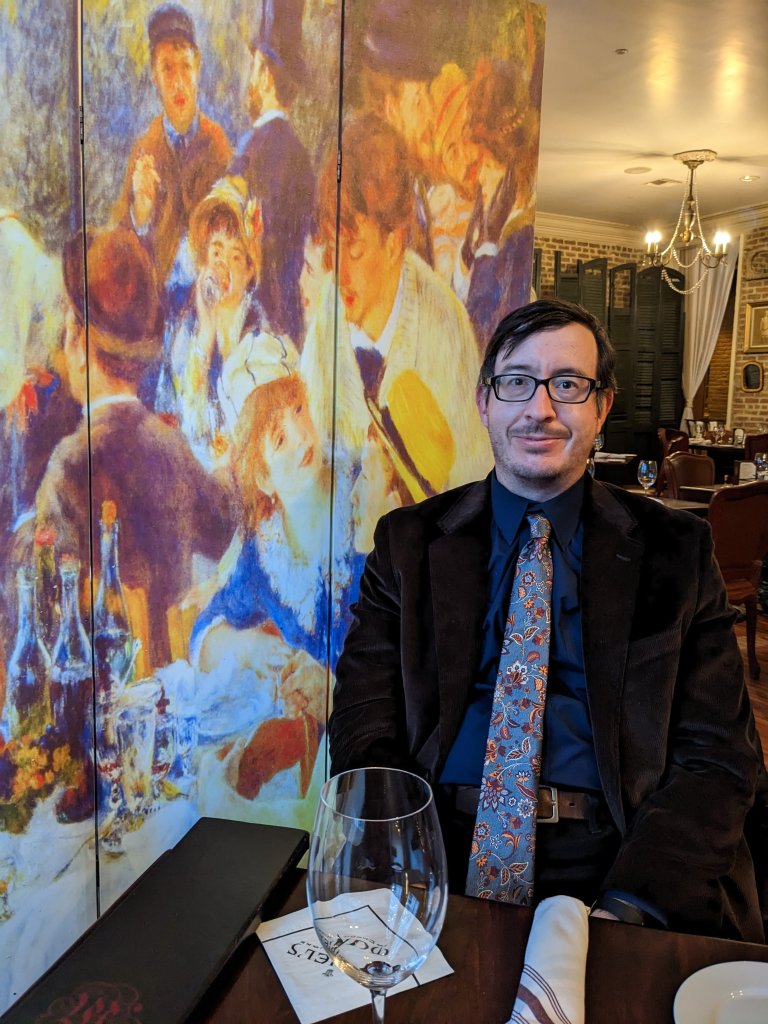
Unbeknownst to me at the time, Michigan is home to numerous historic museum ships including two that were only 20 minutes away from Grand Haven, our first destination!

The USS Silversides (a WWII submarine) and LST-393 (a WWII amphibious landing craft) are both located in Muskegon. Commissioned only days after the attack on Pearl Harbor, Silversides was one of the most successful US submarines in the Pacific theater. Silversides sank 23 Japanese ships, conducted 14 combat patrols, and earned the Presidential Unit Citation. The submarine went into the naval reserve after WWII and became a museum ship in 1987 (admission $17.50 per adult). Silversides portrayed a fictional WWII submarine in the 2002 film Below.

LST-393 was commissioned at the end of 1942 and participated in the amphibious landings at Sicily (1943), Salerno (1943), and Normandy (1944). After the war, LST-393 served as a ferryboat in Michigan before being restored as a museum ship ($10 per adult).

Finally, the destroyer USS Edson was commissioned in 1958 and was assigned to the Pacific Ocean. Edson assisted with the evacuation of Saigon in 1975 before being decommissioned in 1988 as the last destroyer in the US fleet armed only with cannons (as opposed to missiles). The Edson was first a museum ship in New York City before transferring to Bay City (near Saginaw) in 2004. Admission for adults is $10.

I look forward to returning!