This travel article is long overdue, but the trip was memorable since it was our first real vacation (aside from some hiking trips) after the worst of COVID-19. I like to refer to it as the Michigan Blitz (German for lightning) since we drove along most of the state’s coastline in just a few days!
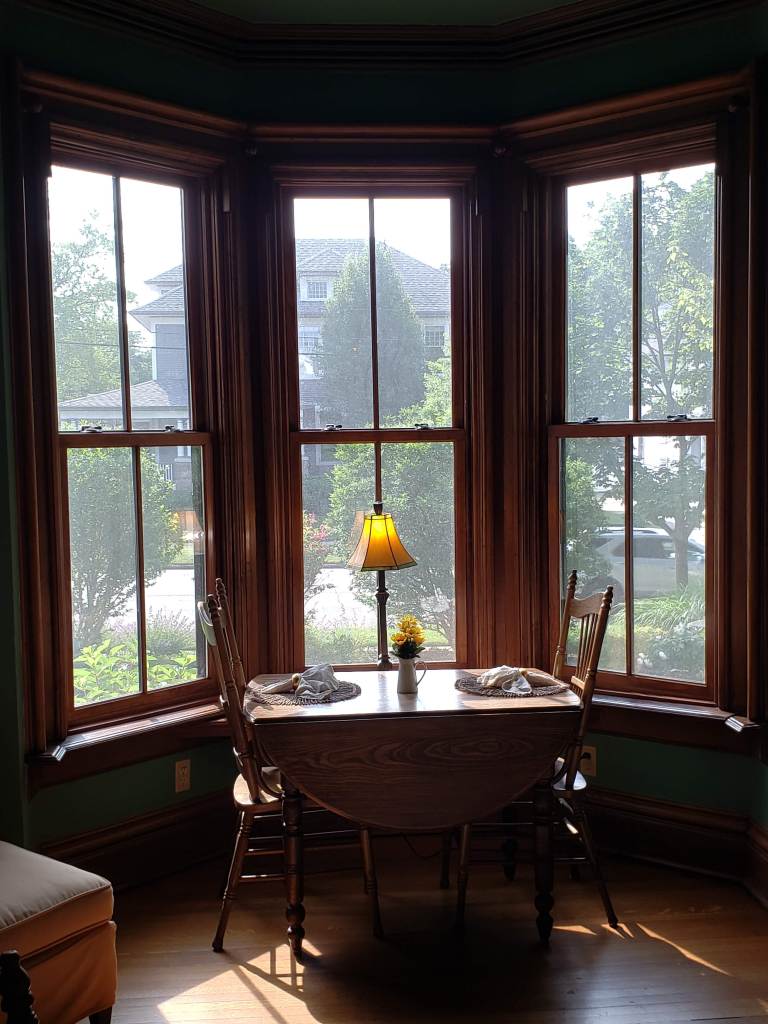
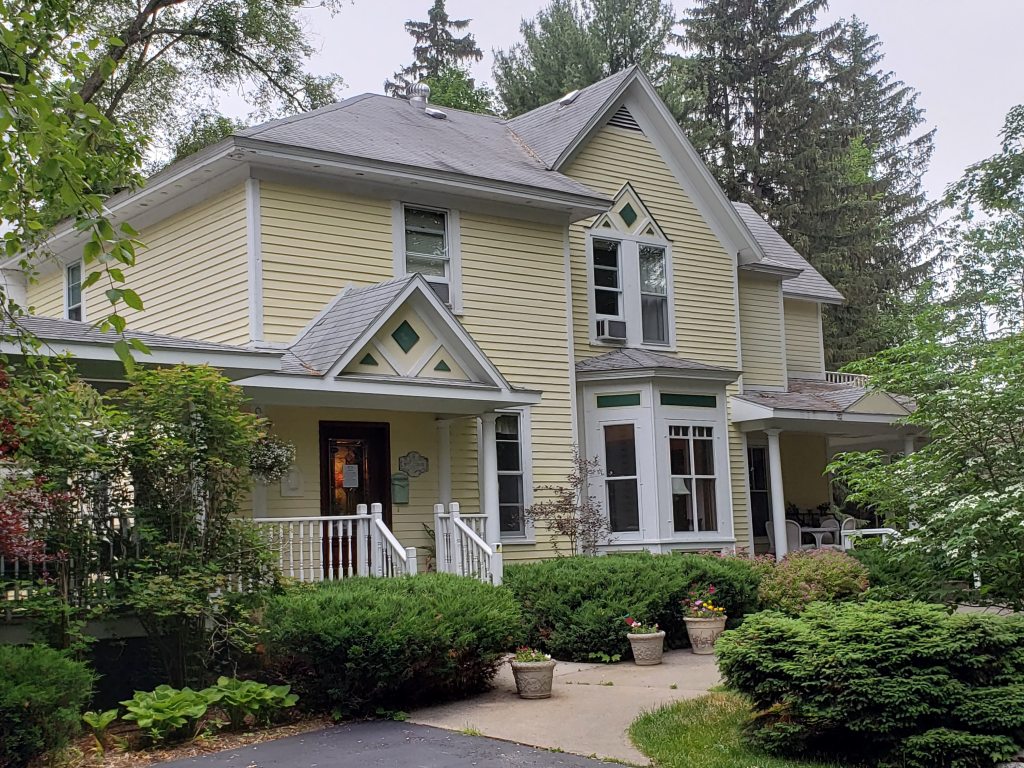
We left after work on Friday (June 11, 2021) but were bogged down in heavy traffic almost immediately. We drove to Indianapolis and then took US 31 north until we arrived at the tourist town of Grand Haven on the coast of Lake Michigan. By the time we arrived at our accommodation, the Boyden House Bed & Breakfast, it was around midnight! We crawled into our beds exhausted after more than seven hours on the road! We stayed in Amber’s Room for $150 a night which included breakfast. In the morning, we could take in the full beauty and character of this historic 1872 house.
Saturday – June 12, 2021
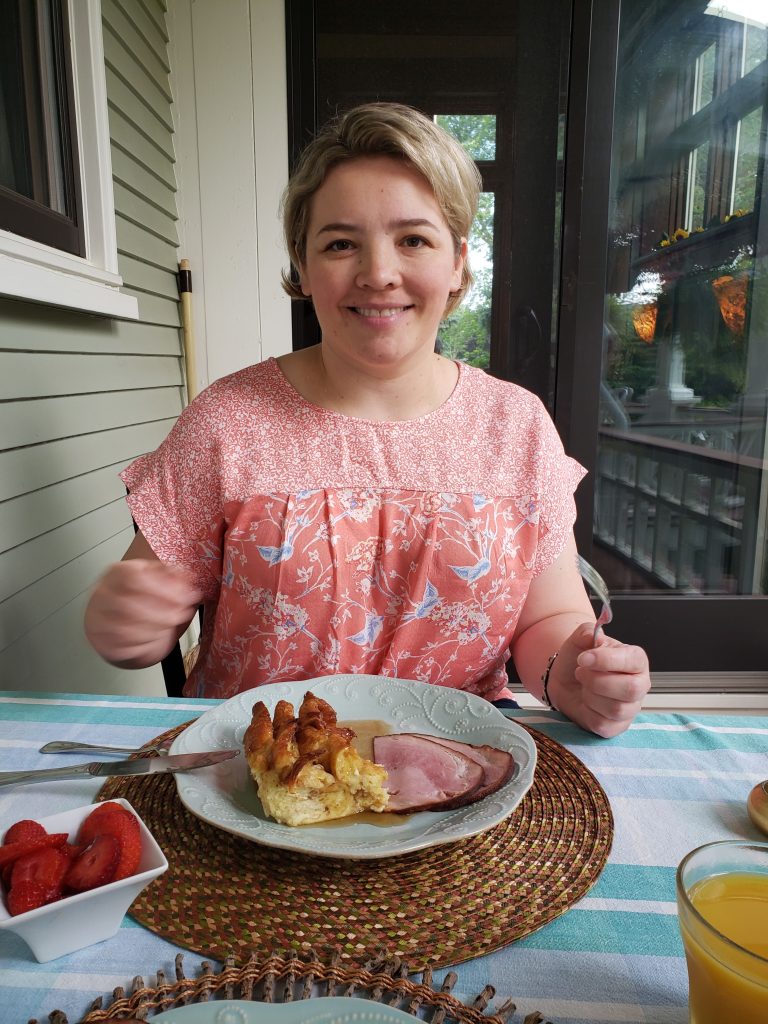
We woke up very well rested from our tiring trek on Friday night and had a delicious breakfast of ham, decadent French toast, and fresh strawberries. We took a short tour of the Boyden House and relaxed on our balcony for a few minutes before heading out for a fun-filled day.


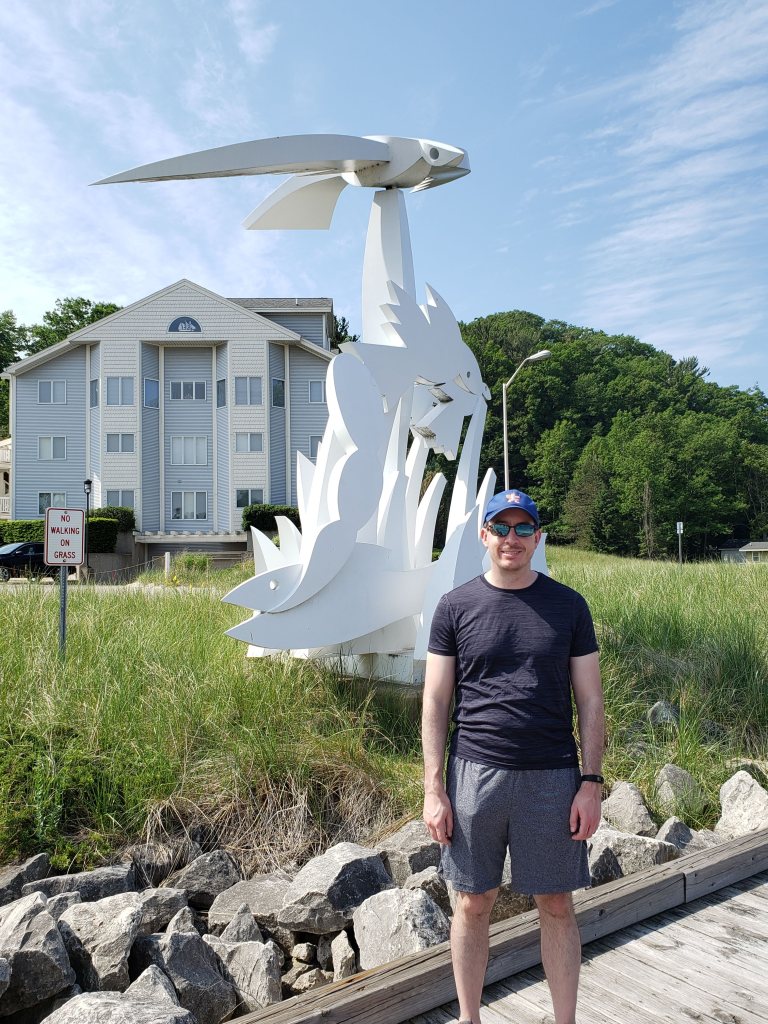
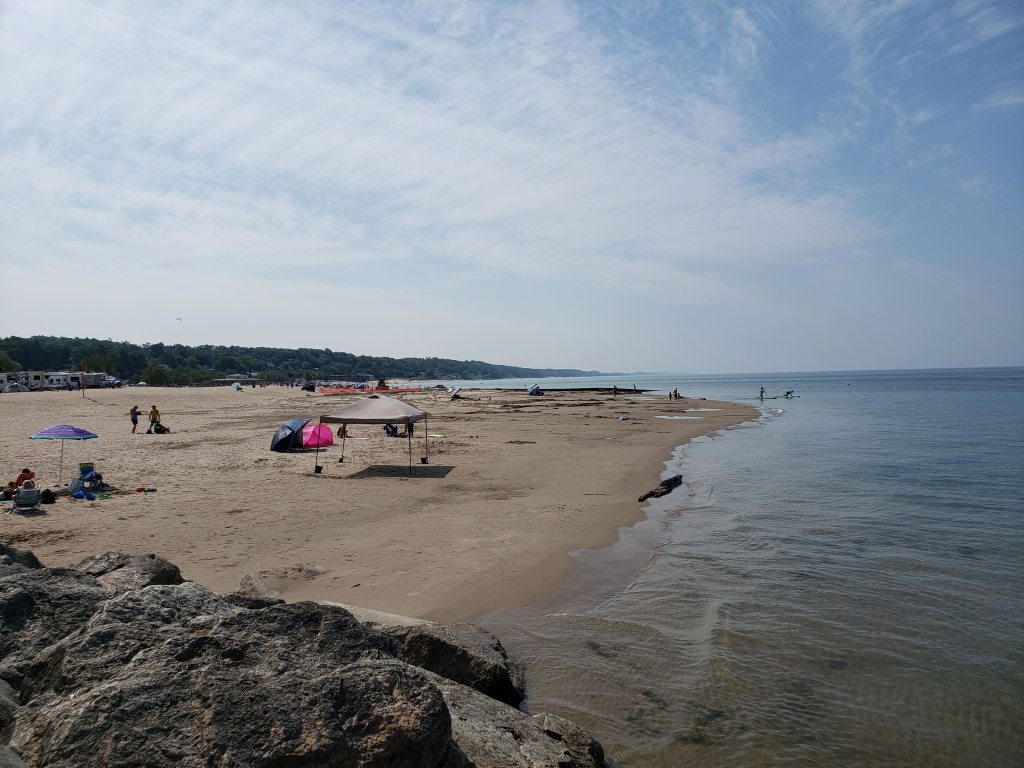
The boardwalk in Grand Haven was our first stop. This scenic promenade follows the Grand River for 1.5 miles before it empties into Lake Michigan. There are numerous shops and snack stands along the way as well as some interesting public art. It culminates at the South Pier with its bright red lighthouse (built in 1839). There’s also a small white sand beach adjacent to the pier as well. Even though we were there in June, the cool breeze from the lake meant our entire trip was very pleasant.

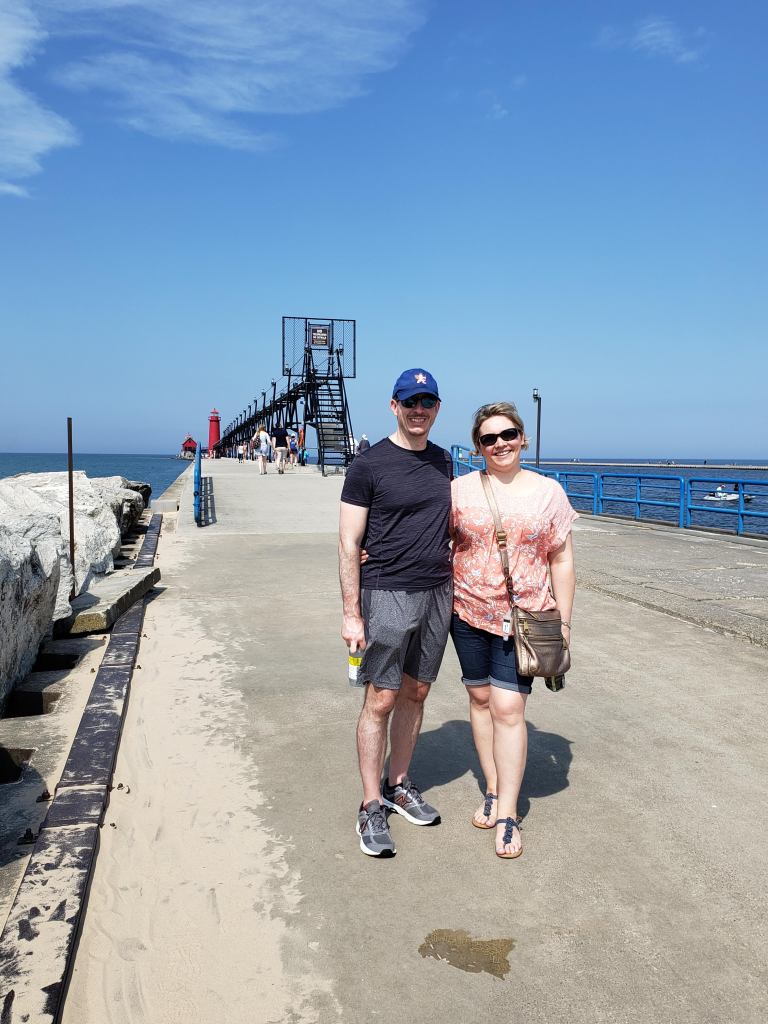
With more than 3,200 miles of shoreline, Michigan is home to more than 120 lighthouses, and we would stop at several more along the way!

We ate lunch at a sandwich shop in Grand Haven before hitting the road to continue our lighting tour of Michigan. While heading north, we stopped at the Point Betsie Lighthouse which was built in 1858. It was the last lighthouse on Lake Michigan to be automated in 1983. Admission is $5 per adult and includes several small exhibits; however, Nataliya and I were in a hurry, so we took a couple photos outside before continuing north. There’s no parking available, so avoid getting stuck when you park on the sandy shoulder.
Our next stop was Sleeping Bear Dunes in the northwest tip of the state (about two hours from Grand Haven). The sand dunes, which are more than 100 feet tall, are the main attraction. Once towering more than 230 feet, the dunes have eroded over time although they are still an impressive sight to see. It can be a challenging climb, so you need good shoes (not flipflops) and water. The ridge offers a nice view of the surrounding area, which was enough for me.
On the other hand, Nataliya decided to continue on towards the shoreline; unbeknownst to her, the dunes are actually more than three miles inland. The trek can take up to four hours roundtrip, but looks can be deceiving since you can’t see beyond the next sand dune ridge. Nataliya turned back after 40 minutes, but we did drive to an overlook to see the shoreline.
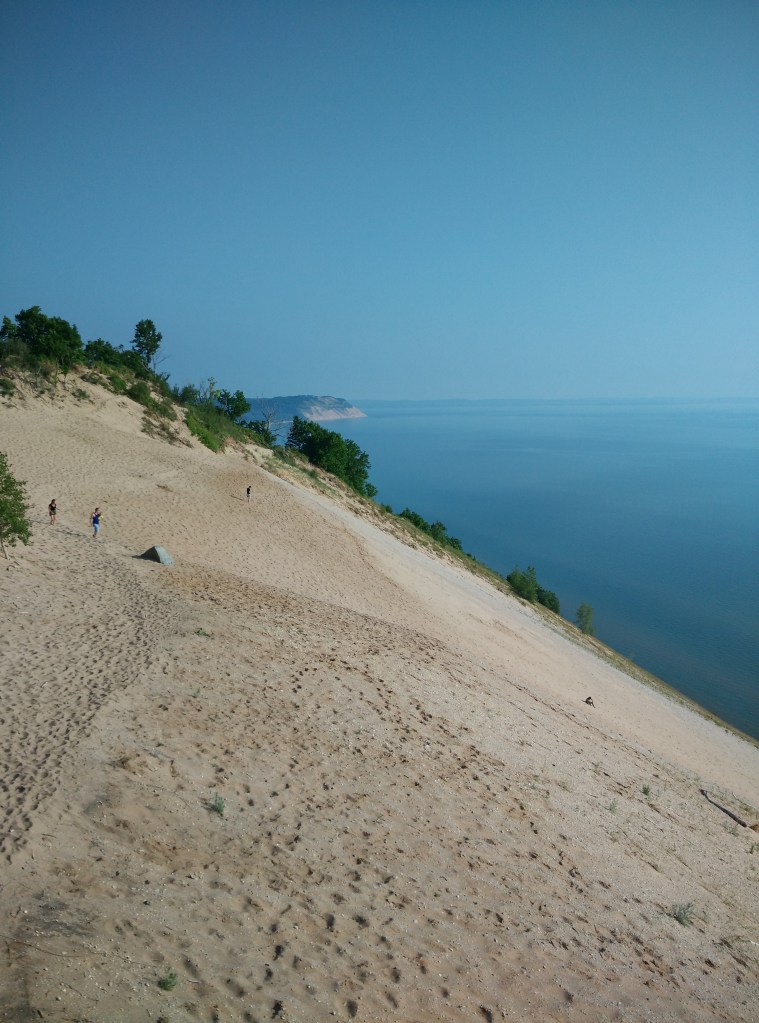

If you do make the trek to the shoreline (by foot or car), it might be a good idea to savor the view of Lake Michigan from the last ridge. Otherwise, it’s a very steep descent down to the water and a very strenuous climb back up. Sometimes trekkers are stranded at the bottom and can only be evacuated by a costly $3,000 water rescue service.
The name Sleeping Bear Dunes is somewhat misleading because the dunes (classified as “perched” dunes) are actually just a thin layer of sand that the wind has deposited on top of large pre-existing hills and cliffs. Now relatively bare of vegetation, the Sleeping Bear Dunes were once covered with plants.
The dunes were named for the Mother Bear story of the Ottawa and Ojibwa tribes which were native the region. The story describes how the Great Spirit created two nearby islands (North and South Manitou islands) to commemorate two bear cubs which drowned in the lake. The park was created by Congress in 1970 as part of an effort to preserve the nation’s “third coast.”
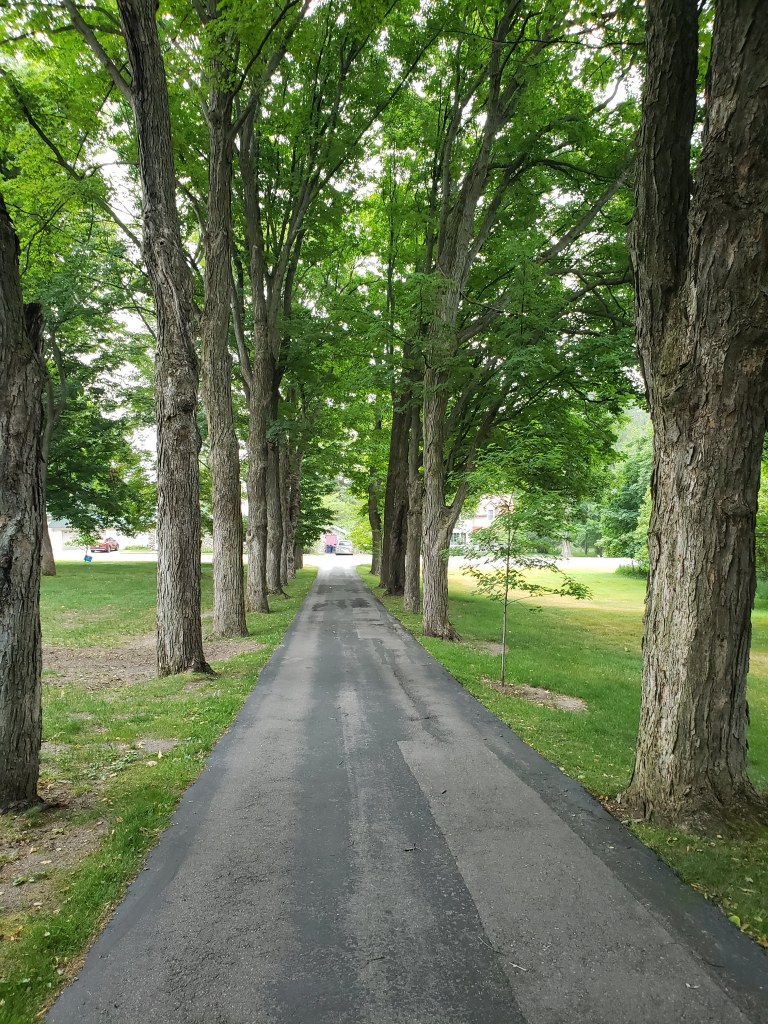
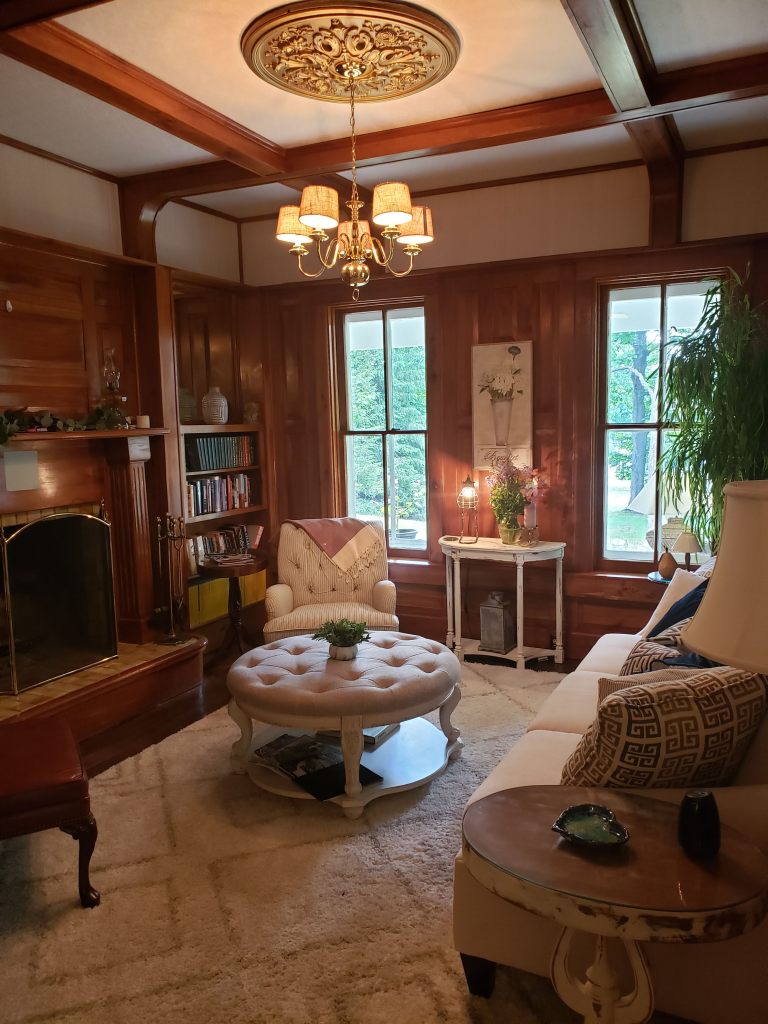
Although it had already been a long day, we drove another 90 minutes east to reach our next accommodation at the Breezy Hill Farm in Bellaire. We booked the Empire Room with a British colonial theme for $155 which also included breakfast. Behind the house there are several pens with goats and chickens who all eagerly accept treats from guests. It was a quiet and charming location with a picturesque tree-lined driveway.



Sunday – June 13, 2021
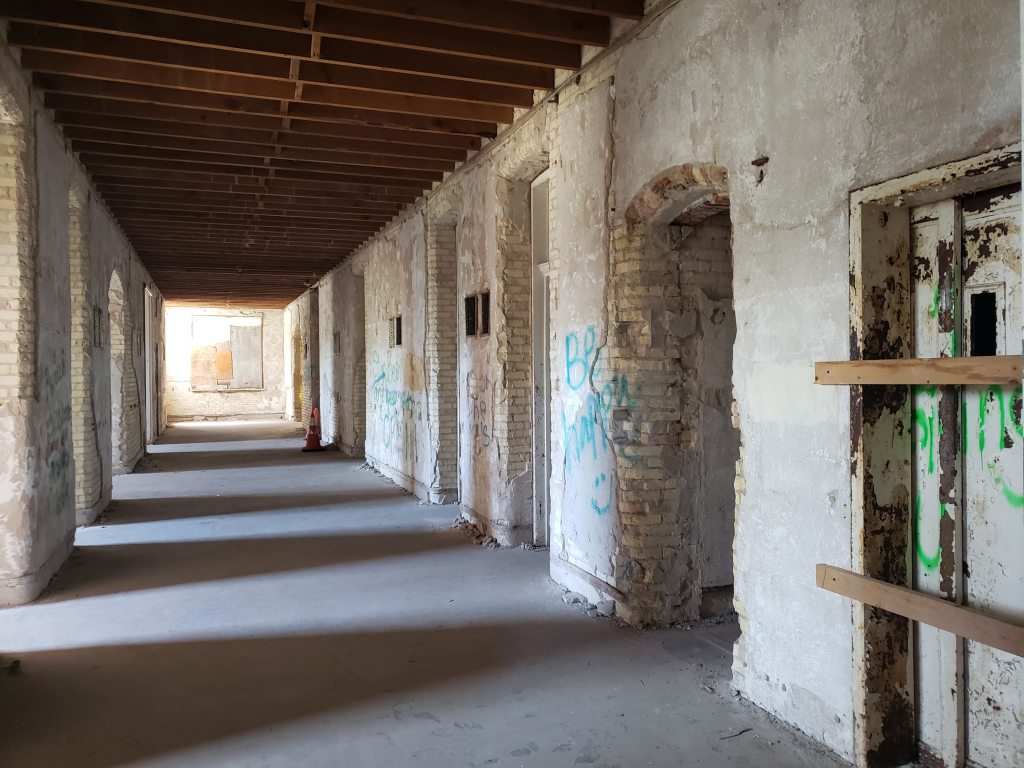
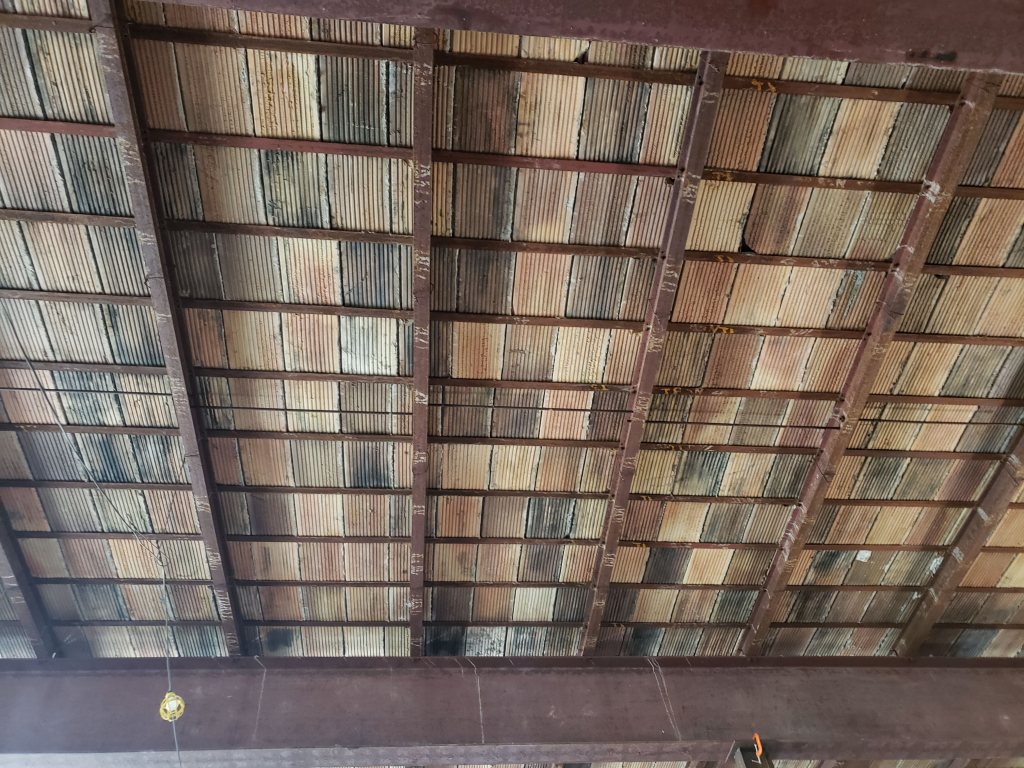
We woke up with another tasty breakfast using seasonal local ingredients, including eggs and a vegetable salad. From Bellaire, we back-tracked one hour west to Traverse City where we took a tour of the old Traverse City State Hospital. Established as a psychiatric hospital in 1885, the facility also included a farm to foster self-sufficiency. The doctors believed in the “beauty as therapy” method which hoped that a pleasant environment would uplift the patients emotionally. The architecture is in the style of the Kirkbride Plan – a design often used for asylums in the 1800s which emphasized natural light and air circulation.
The hospital was listed on the National Register of Historic Places in 1978 but ceased operations in 1989. The property fell disrepair until efforts to redevelop the facility for residential and commercial use began in 2000. The historic hospital now features affordable housing apartments, numerous shops, and several eateries.
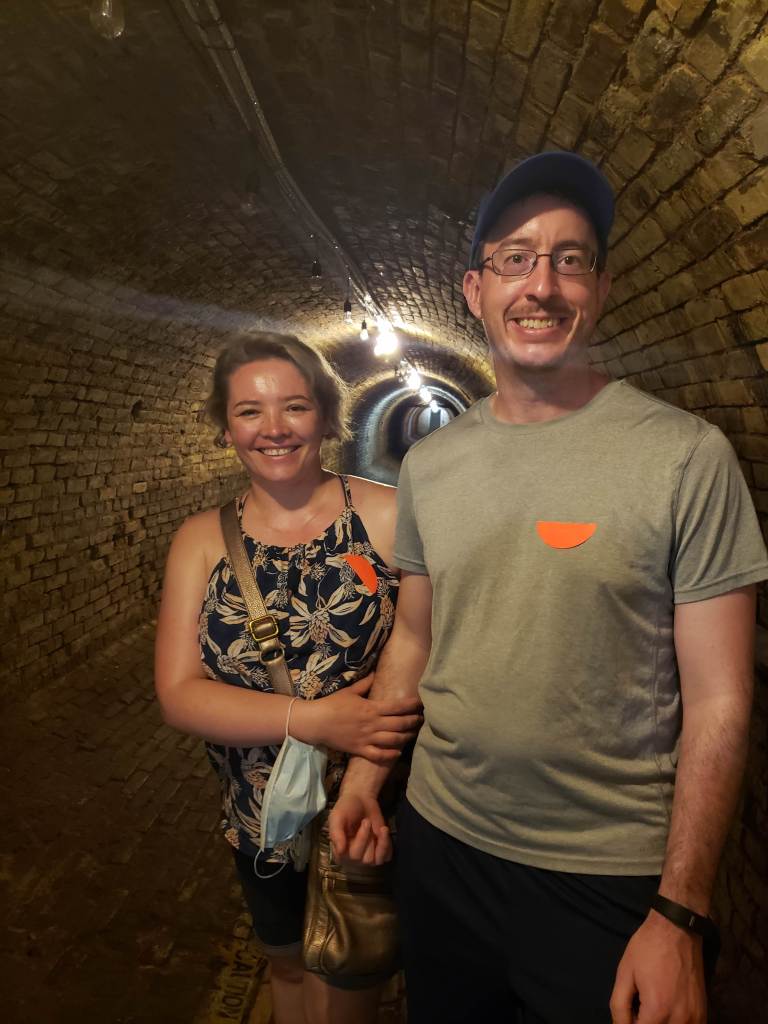
We signed up for a two-hour tour ($30 per person) of the unrenovated buildings and an underground brick steam tunnel that heated the main building. Tours are available on Fridays at 3 pm, Saturdays at 11 am and 2 pm, and Sundays at 1 pm.
Our guide was very passionate, but his description of how patients were lobotomized was much too graphic for my taste. In addition, he tried very hard to convince us that spirits inhabited the steam tunnel! Nevertheless, it was still a fun activity, and I recommend it to anyone who visits the area.





After grabbing a quick lunch, we then headed back north again to Charlevoix for more lighthouses and unique architecture! The Charlevoix lighthouse was built in 1885 and is still maintained by the Coast Guard and the Charlevoix Historical Society. In 1929, the lighthouse keeper used a foghorn to guide three automobiles across the frozen Lake Michigan from an island 40 miles offshore.
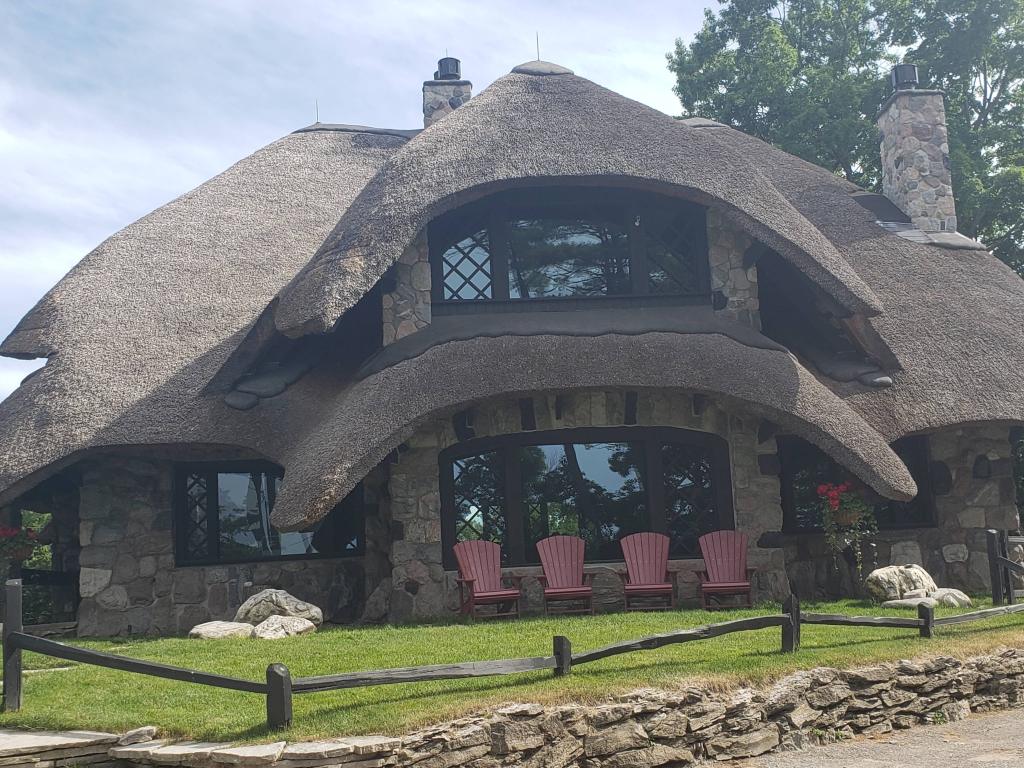
In addition, Charlevoix is home to more than 25 unique “gnome” houses built by architect Earl Young between the 1930s and 1950s. Although he studied architecture briefly at the University of Michigan, he did not receive a degree. They are an interesting and unexpected addition to another charming little coastal village.

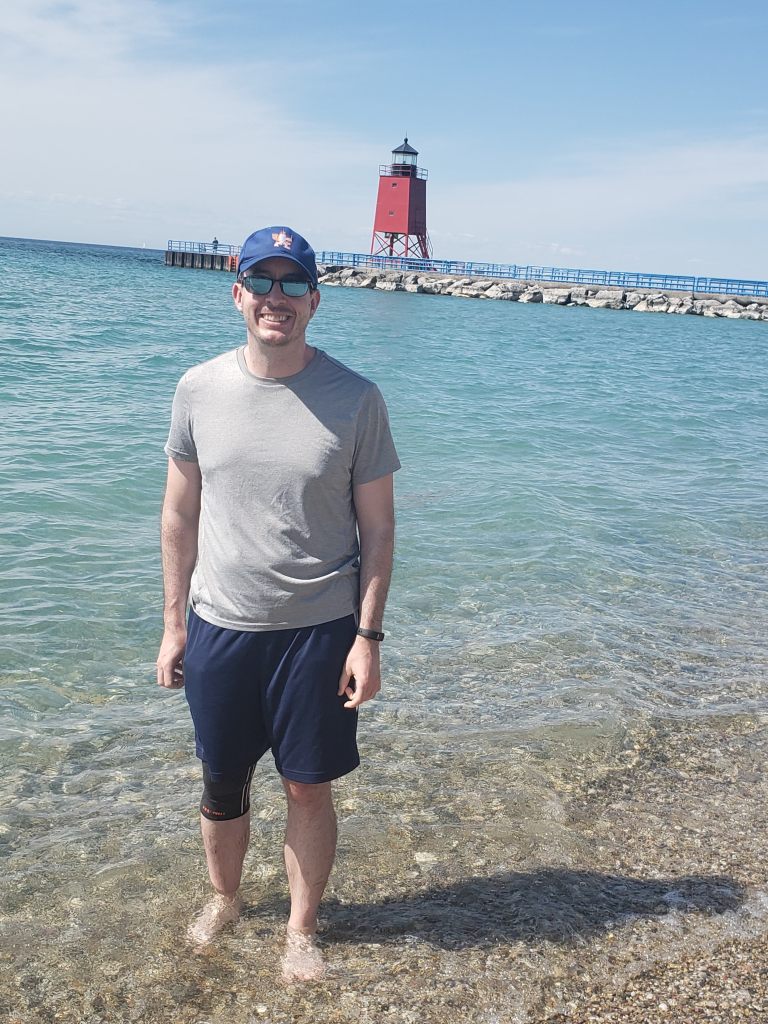


We also visited the beach and ate dinner before getting back in the car to drive another hour to Mackinaw City (pronounced Mack-in-awe by early French settlers) in the very northern tip of Michigan. We stayed at the Mackinaw Beach and Bay Inn Suites ($110 per night). We had a beach-view room and arrived in time to see the beautiful sunset!
Monday – June 14, 2021
We took the ferry to Mackinac Island (also pronounced Mack-in-awe) in the morning. Shepler’s Ferry offers departures every 30 minutes during the summer vacation season with round trip tickets costing $34 per adult. Complimentary parking is available, and the trip takes about 15 or 20 minutes. Our trip was very smooth and pleasant. Cars aren’t allowed on Mackinac Island, but you can bring a bicycle or rent one on the island. Make sure you don’t miss the last departure (usually around 9:30 pm) from the island unless you have overnight accommodations like we did!
The island name comes from the Native American words for Great Turtle (since the island looks like one rising out of Lake Huron). Most facilities on the island are only open for the tourist season from May to October. Arriving on a weekend in June, the island was very busy despite the continued prevalence of COVID-19. If you love fudge, you’re in for a treat, because there are about a half-dozen fudge shops in the small commercial district on the island.
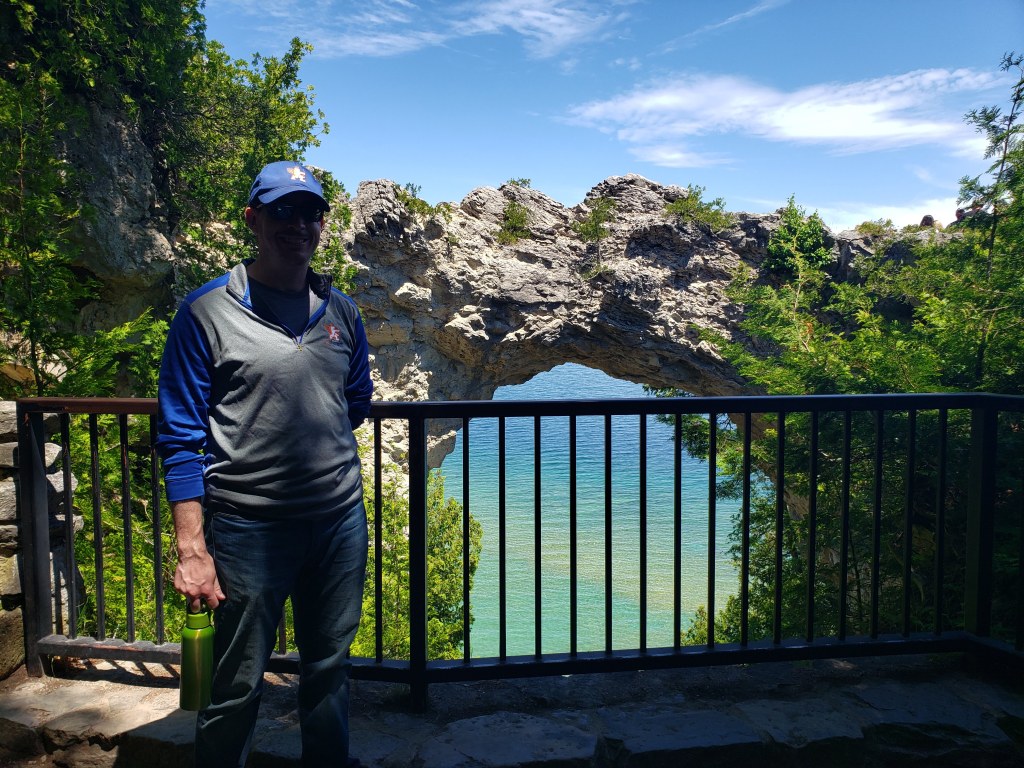
There are numerous options for horse-drawn carriage tours of the island, and we signed up for one after arriving (about $40 per adult for 2 hours). Our driver was very knowledgeable and friendly, and my favorite part of the tour was Arch Rock (although it can also be reached by bicycle or on foot). The arch formed about 4,000 years ago when the waters of Lake Huron began to erode the shore. Eventually, the center of the arch began to crumble and collapse while the firm limestone arch remained.

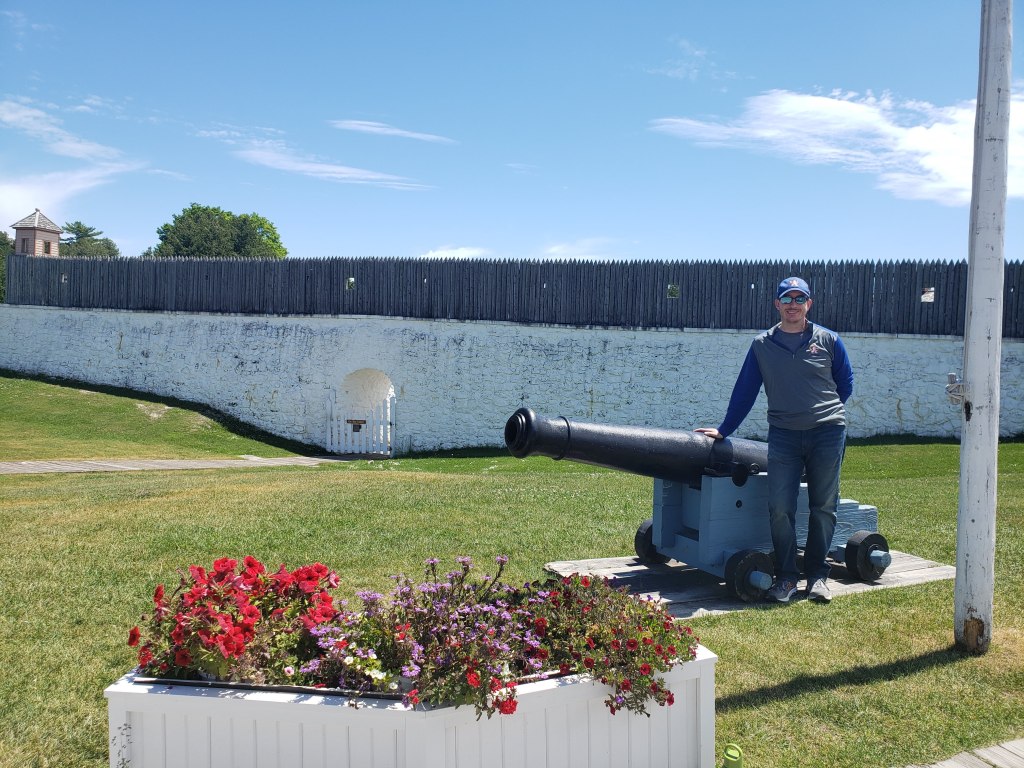
However, visiting Fort Mackinac was my favorite activity of the day ($15.50 per adult). Between 1780 and 1781, British soldiers built the fort but transferred it to American troops after the Revolutionary War. However, the British recaptured the fort during the War of 1812 without firing a shot. American forces tried to recapture it in 1814 but failed. After agreeing to a peace treaty later that year, American forces reoccupied the fort. As peace between the US and Canada continued, the fort was eventually decommissioned in 1895 and became a park.
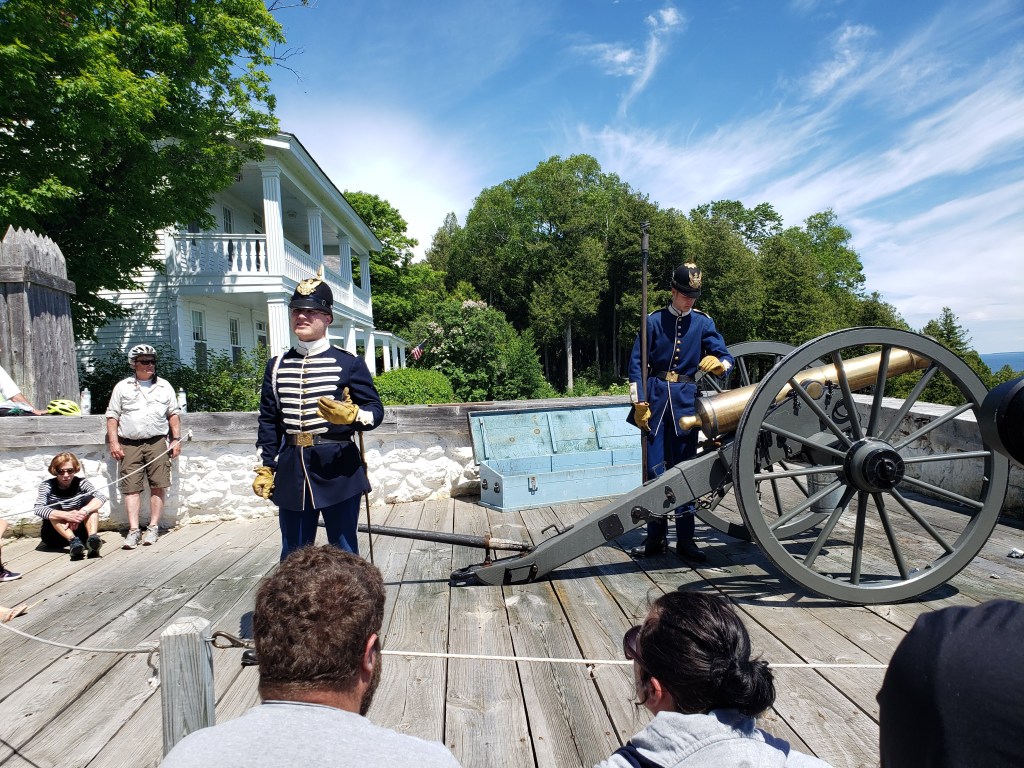
The fort is very well maintained and includes a number of exhibits about life at the compound. It offers a commanding view of the town and the lake. There’s also a small café that offers soups, salads, and sandwiches. The highlight was seeing reenactors load and fire the cannon (which you can fire yourself for a donation of $75).
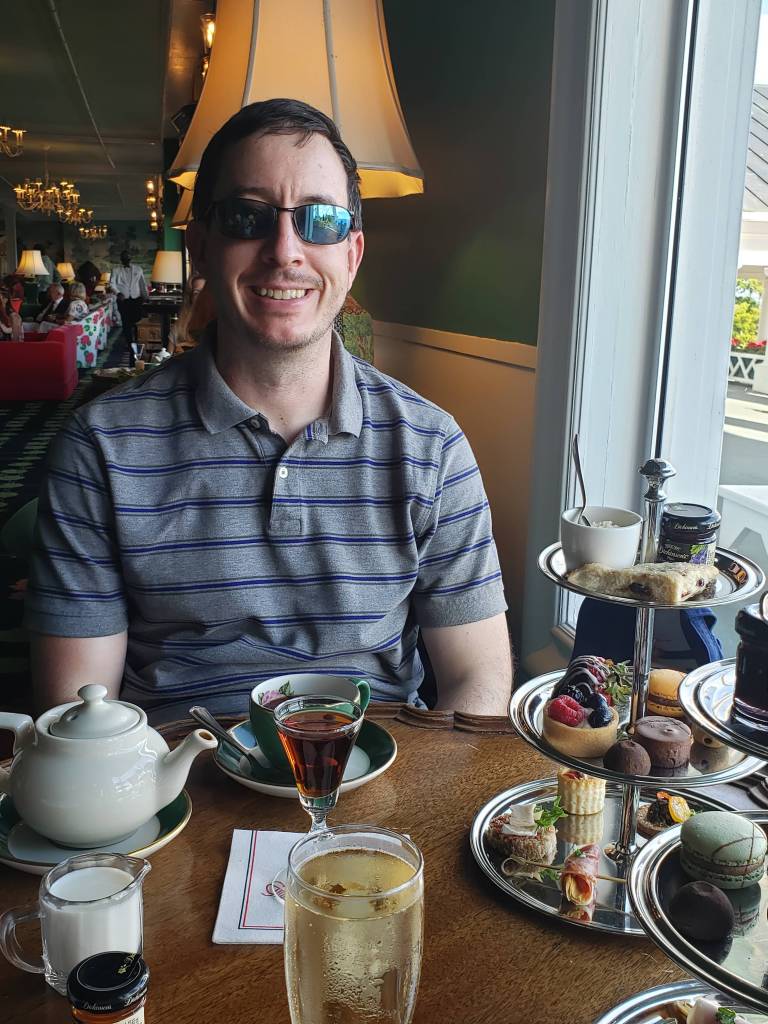
Our last stop of the day was Nataliya’s favorite event – high tea at the Grand Hotel ($65 per adult plus $10 admission if not a hotel guest). The Grand Hotel is the premier accommodation on the island and the price reflects that ($950+ a night)! There’s also a dress code: no midriff-baring tops, sweatpants, or cut-off shorts for women and no sleeveless shirts, sweatpants, or cut-off shorts for men. When the Grand Hotel opened in 1887, the nightly rate was $3 to $5 per room (about $94-$156 today). The hotel was featured in the 1947 musical comedy film This Time for Keeps and the 1980 romance Somewhere in Time.
The high tea service includes pastries, finger sandwiches, scones, and either tea, sherry, or champagne. Inadvertently, I was served sherry although have been a teetotaler ever since I went on my oncology medication more than six years ago! The wait staff apologized and replaced it with tea promptly. Everything was tasty and the environment was very posh. We also sat in the rocking chairs on the porch (supposedly the longest in the world at 660 feet) to take in the lakeview and lavish flower gardens before heading to our accommodation for the night, Pine Cottage ($250 per night).

After a quick nap at Pine Cottage, we went back “downtown” for an after-hours ghost tour (about $20 per adult). Nataliya thought it would be fun to try, and our guide was also very enthusiastic. However, a few of the other tourists were quite drunk and gave him a hard time. It was interesting to learn some more about the island’s history even though I don’t put much stock in ghost stories. If you’re not staying on the island overnight, you’ll probably have to skip the ghost tour since the last ferry leaves at 9:30 pm and tickets for the ghost tour are usually non-refundable!
Tuesday: June 15, 2021
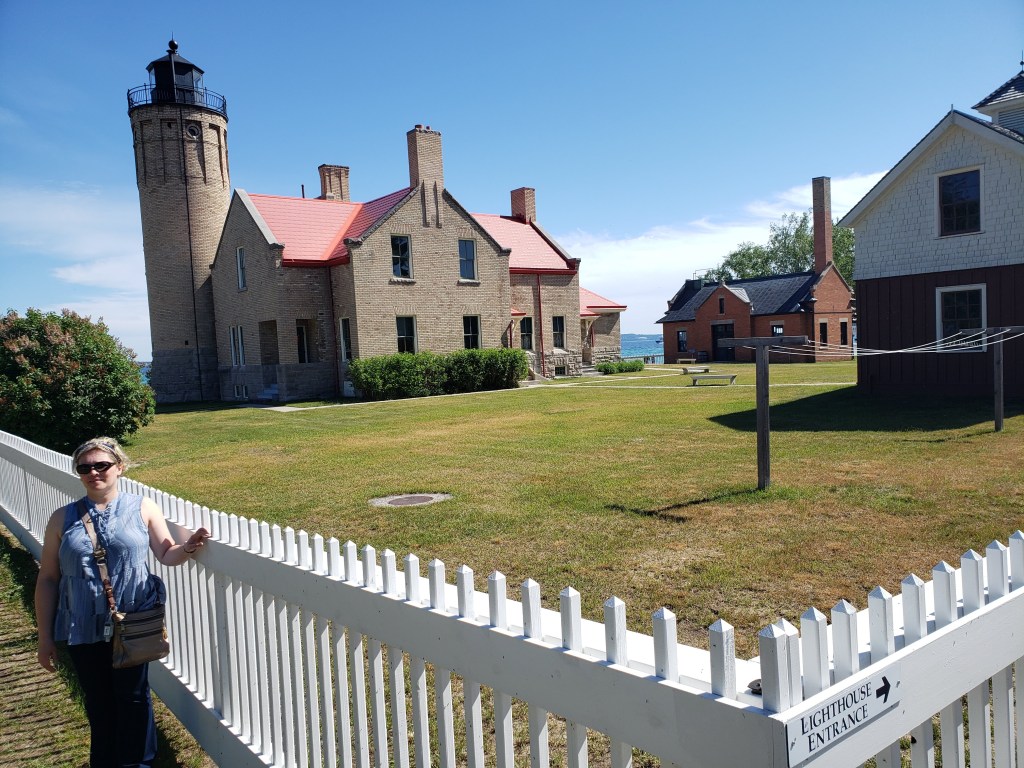
We took the ferry back to the mainland and grabbed a quick breakfast before making one last stop at the Old Mackinac Point Lighthouse (admission $9.75 per adult) before heading out of town. The lighthouse was built in 1889 and includes several exhibits and a short documentary about shipwrecks in the Straits of Mackinac. Costumed interpreters also give a demonstration of the fog whistle, although we didn’t stay long enough to experience it. The “Mighty Mac” suspension bridge towers over the old lighthouse and spans nearly five miles over the Straits to connect with the Upper Peninsula.
We finally hit the road and arrived back home about seven hours later after putting more than 1,000 miles on our car in just five days! We had a lot of fun but definitely needed to recuperate from our lighting tour of Michigan when we arrived home. Next time, I’d prefer to spend less time driving and more time relaxing in just one or two spots. The Michigan coast is very cool in the summer and is a lot closer than Myrtle Beach! I urge you to give it a try even if you view the state as a college sports rival.
Unbeknownst to me at the time, Michigan is home to numerous historic museum ships including two that were only 20 minutes away from Grand Haven, our first destination!
The USS Silversides (a WWII submarine) and LST-393 (a WWII amphibious landing craft) are both located in Muskegon. Commissioned only days after the attack on Pearl Harbor, Silversides was one of the most successful US submarines in the Pacific theater. Silversides sank 23 Japanese ships, conducted 14 combat patrols, and earned the Presidential Unit Citation. The submarine went into the naval reserve after WWII and became a museum ship in 1987 (admission $17.50 per adult). Silversides portrayed a fictional WWII submarine in the 2002 film Below.
LST-393 was commissioned at the end of 1942 and participated in the amphibious landings at Sicily (1943), Salerno (1943), and Normandy (1944). After the war, LST-393 served as a ferryboat in Michigan before being restored as a museum ship ($10 per adult).
Finally, the destroyer USS Edson was commissioned in 1958 and was assigned to the Pacific Ocean. Edson assisted with the evacuation of Saigon in 1975 before being decommissioned in 1988 as the last destroyer in the US fleet armed only with cannons (as opposed to missiles). The Edson was first a museum ship in New York City before transferring to Bay City (near Saginaw) in 2004. Admission for adults is $10.
I look forward to returning!

 Freelance Writer Paul Glasser